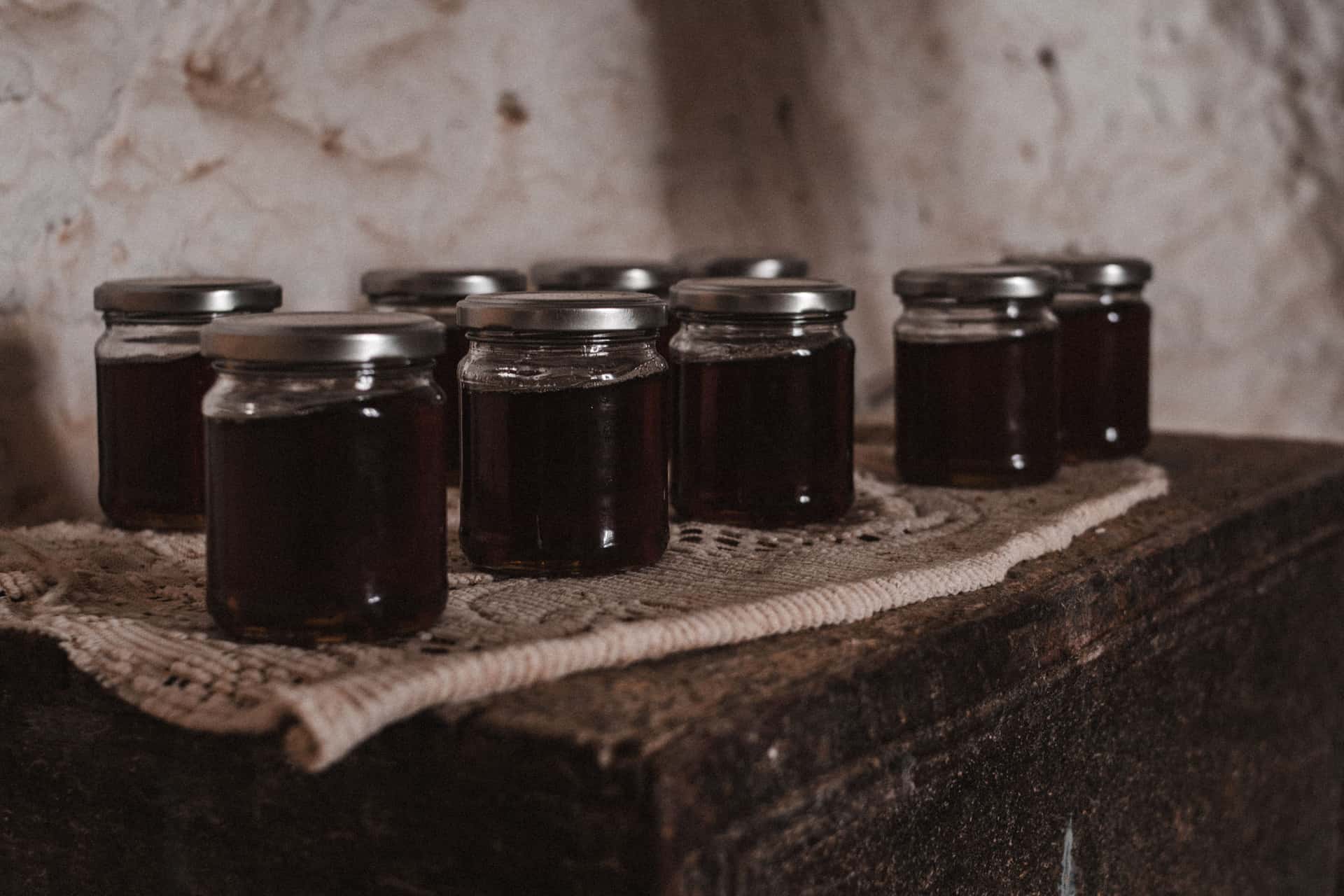
Botulism and home canning
What botulism actually requires, the one canning failure that causes it, and how each method prevents it.
Read the guideThe fear
The questions that stop people starting, answered directly, with the primary source next to every claim so you can check us.
Home canning is safe when the method matches the food and a tested recipe is followed exactly. The risk is not random: botulism in home-canned food comes from one specific failure — low-acid food processed without a pressure canner. Match the method to the acidity and the risk is not reduced, it is designed out.
Nearly everyone arriving at this hub is asking a version of the same question, and it deserves a direct answer rather than reassurance. The answer is that the danger is real, it is narrow, and it is entirely avoidable by following rules that were established by testing and are published free.
In a category where getting it wrong can hurt someone, an opinion is worth very little. Every processing time and safety claim on this site traces to the National Center for Home Food Preservation, the USDA Complete Guide to Home Canning, or a named university extension service — and we link the source next to the claim so you can check us rather than trust us.
That is not a formality. Most of what circulates about canning online — thickening a recipe, halving the salt, canning in an oven, sealing jars with hot paraffin, reusing lids, inverting jars to seal them — is either untested or has been tested and rejected. The habit of asking "who tested this, and where can I read it" is the single most useful thing to take away from this hub, and it is exactly what how to find safe canning recipes teaches.
We will not tell you a shortcut is probably fine. Where guidance has changed — steam canning is a good example, now sanctioned for high-acid foods under specific conditions after USDA-funded research — we say what the conditions are rather than reporting the headline. And where a popular practice is unsafe, we say so plainly even when it is the thing people are searching for.
That last one has a cost. Some of the highest-volume searches in this category are for methods that are not safe, and the honest page is the one that ranks for the query and then corrects it. We would rather do that than take the traffic on its own terms.
If it is botulism, read botulism and home canning. If it is the general question of whether any of this is a good idea, read is home canning safe. If it is a specific jar on your counter right now, how to tell if a jar sealed is the fastest answer.
What botulism actually requires, the one canning failure that causes it, and how each method prevents it.
Read the guide
Yes, with specific conditions. Which risks are real, which are overstated, and how long jars actually keep.
Read the guide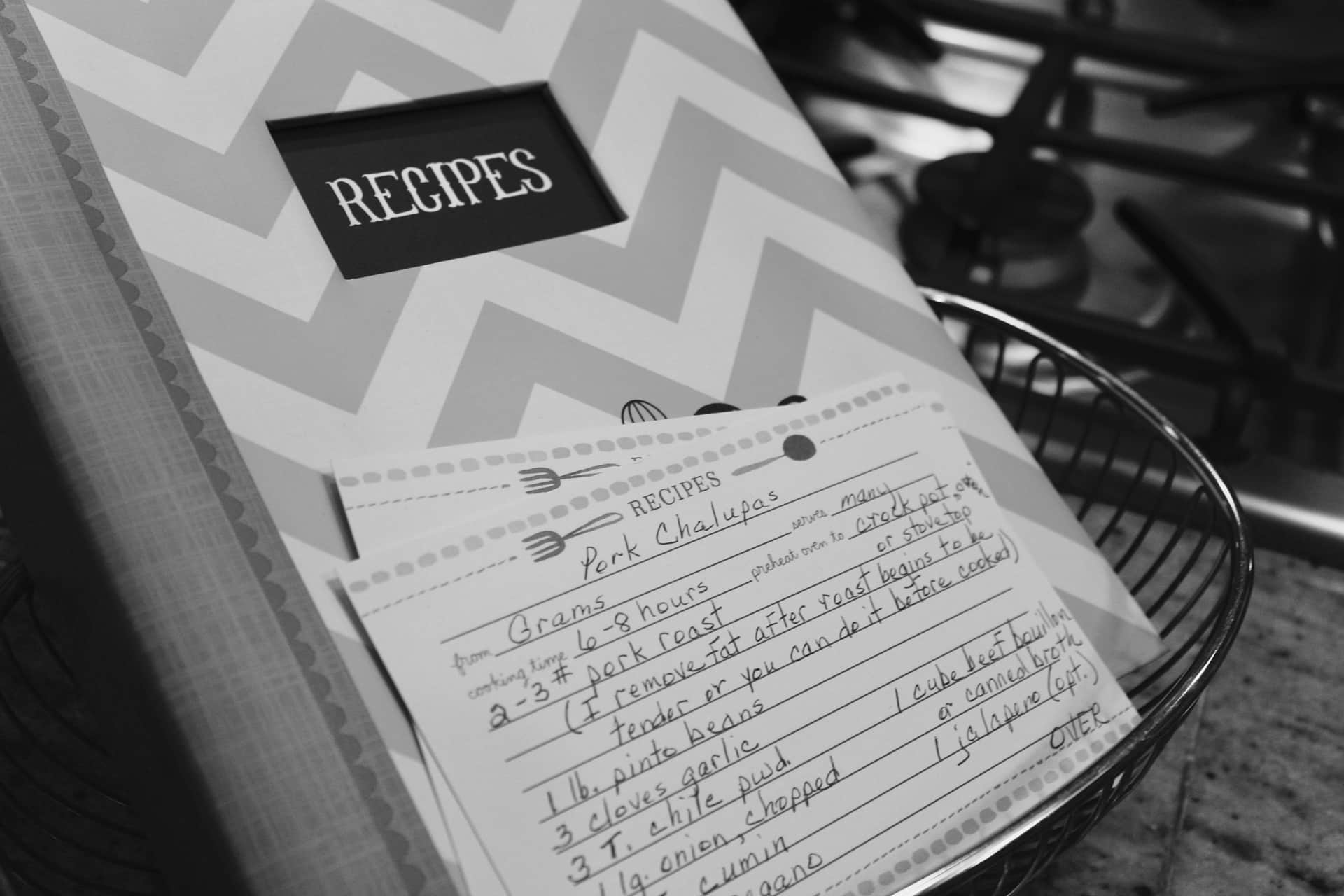
How to tell a tested recipe from an untested one, and the substitutions that quietly make a safe recipe unsafe.
Read the guide
Why altitude changes the numbers, the adjustment tables for both methods, and how to find your elevation.
Read the guide
Three checks that confirm a seal, when to run them, and exactly what to do with a jar that failed.
Read the guide
Sanctioned for acid foods under specific conditions, including a hard 45-minute processing limit.
Top pick

Victorio VKP1054 Steam Canner

NCHFP: processing freshly filled jars in conventional ovens is not recommended. The reason is dry heat, the risk is botulism and broken glass, and the fix is the pot the process was written for.
Top pick

Granite Ware 21.5-Quart Water Bath Canner with Rack