The method that covers most of a first harvest, the pots that do it well, and the hard line on what it can never make safe.
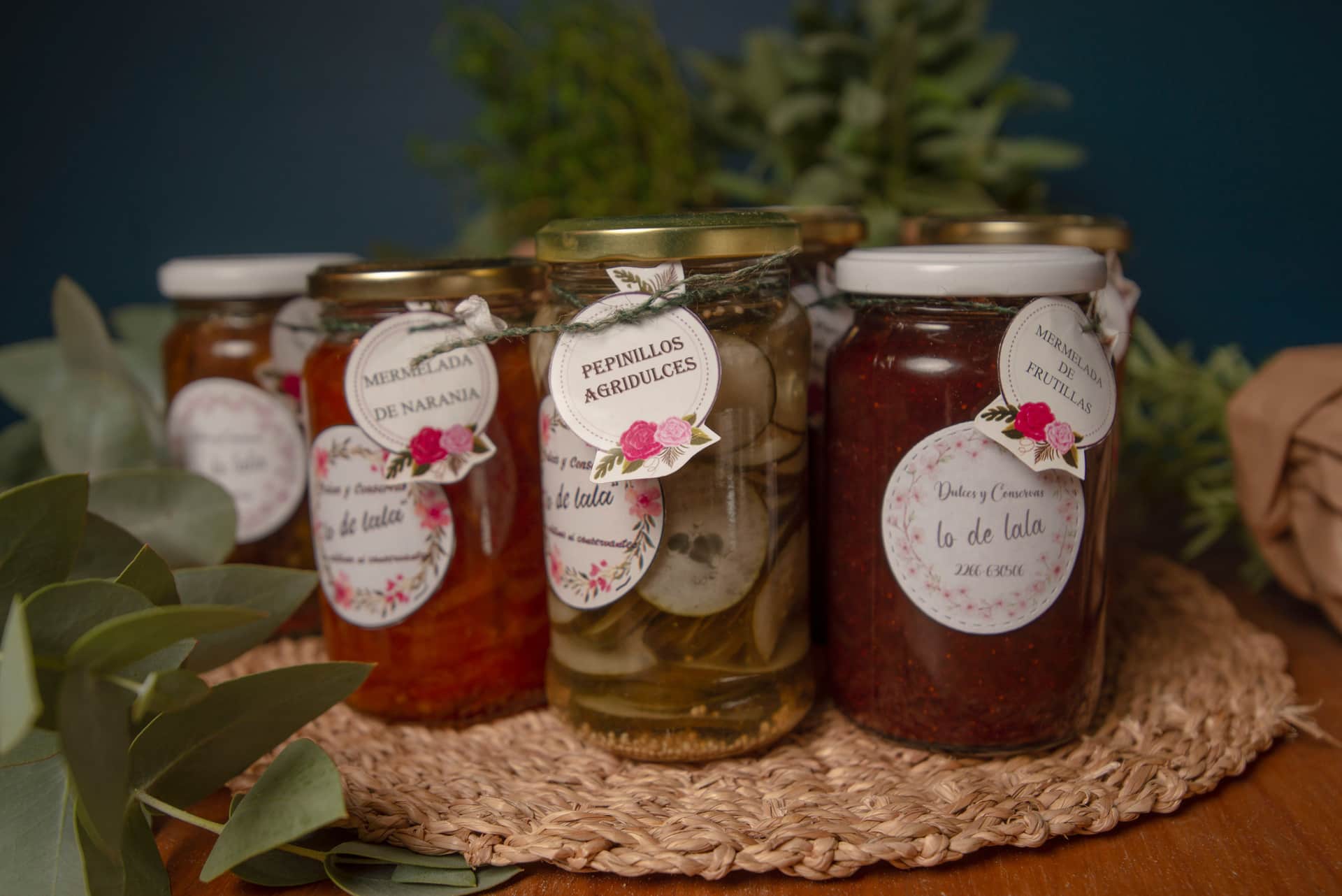
A water bath canner is a deep pot with a rack that holds filled jars under at least an inch of briskly boiling water for a set time. It reaches 212°F, which is enough to make high-acid foods shelf stable: jams, jellies, pickles, chutneys, most fruit, and tomatoes that have been acidified with bottled lemon juice or citric acid. It is not enough for anything low-acid.
This is the method to learn first, and for most people it is the only method they will use in year one. It covers the September glut almost entirely — peaches, plums, apples, cucumbers into pickles, tomatoes into sauce, berries into jam. The equipment is cheap, the process is forgiving of everything except the two rules below, and the results are the jars people picture when they picture canning.
What the pot has to actually do
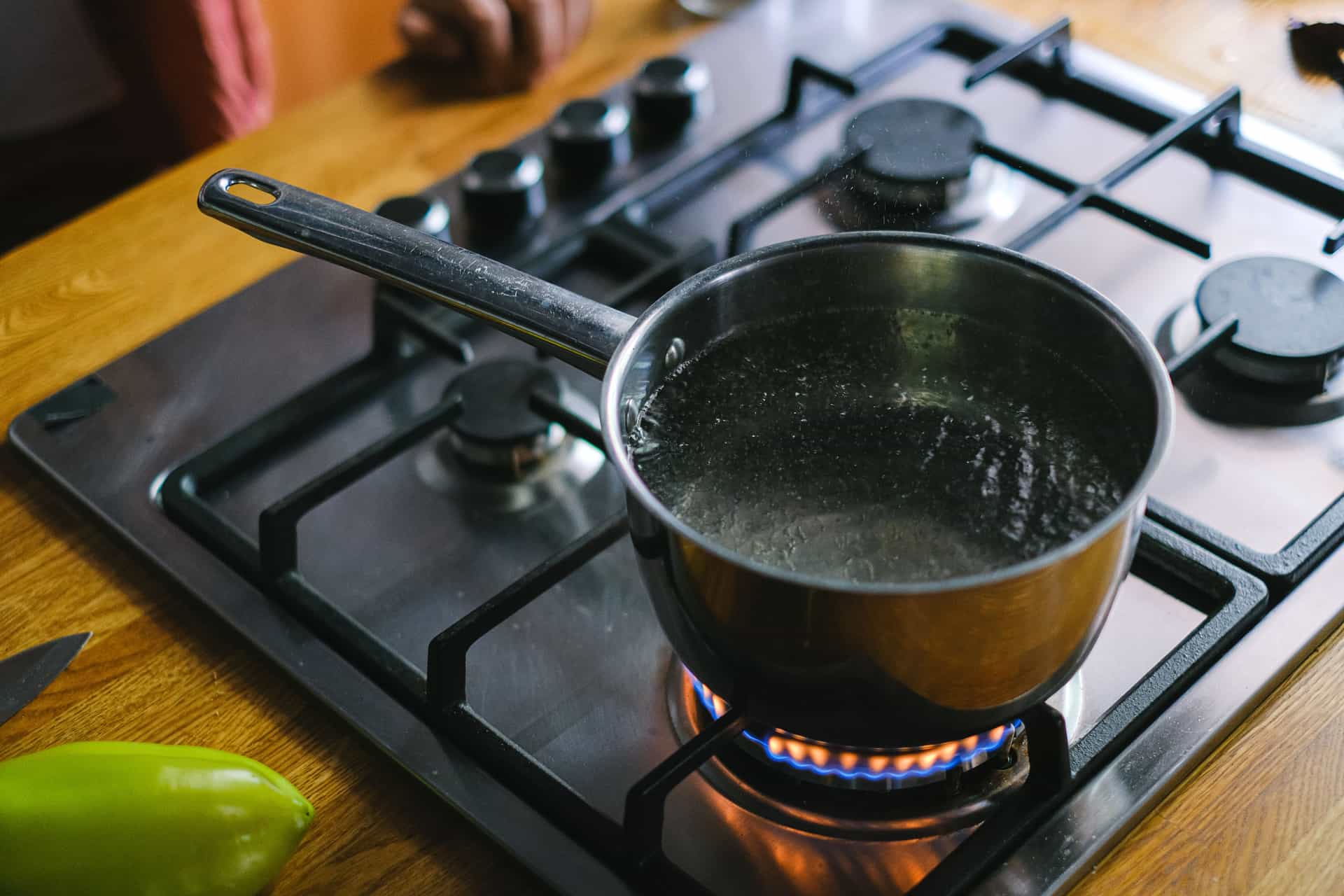
There are only two requirements, and both come from the NCHFP. First, the canner must be deep enough that at least one inch of briskly boiling water covers the tops of the jars for the whole processing time — which is why a stockpot that looks tall enough often is not once a rack and quart jars are in it. Second, it needs a rack, so jars sit off the bottom and water circulates underneath them. A jar resting directly on a hot base can crack.
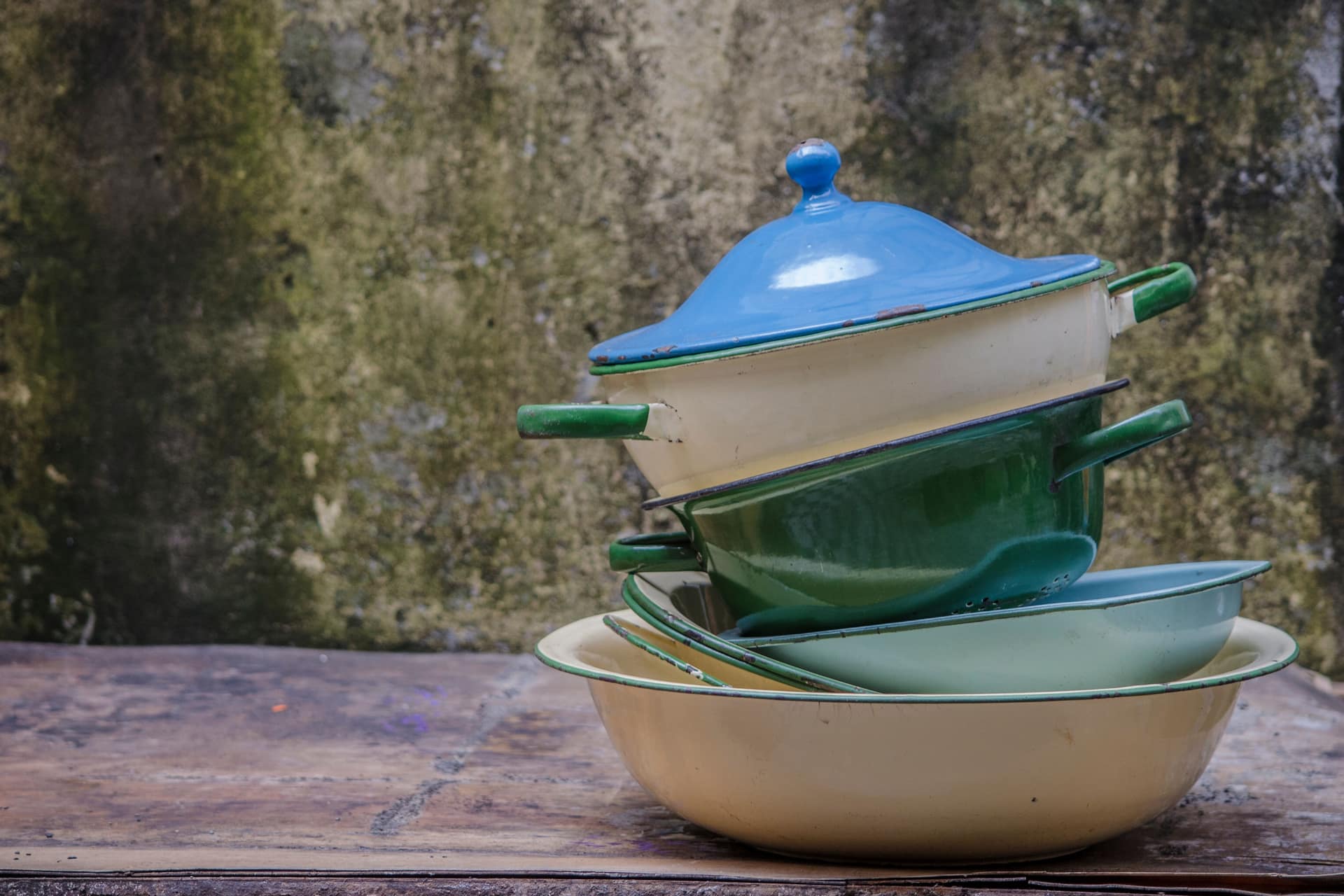
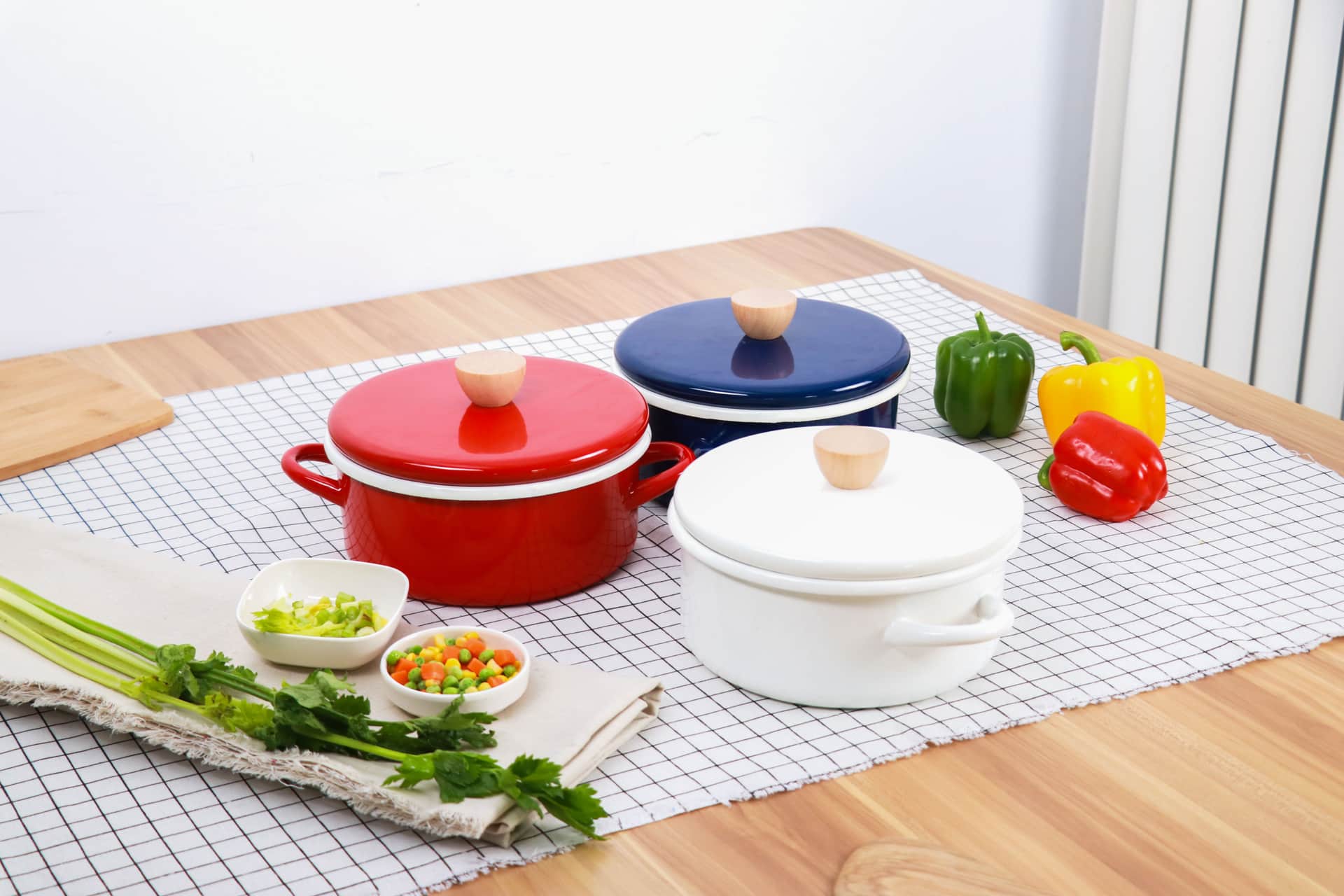
That is the entire specification. Material, brand and price are comfort and durability questions, not safety questions. An enamel canner, a stainless stockpot with a rack, and a pressure canner used with its lid off and unlatched all satisfy the same rule. We work through the trade-offs in best water bath canners and, if you would rather not buy anything yet, in canning without a canner.
The line you cannot cross
Boiling water tops out at 212°F at sea level, and it does not go higher no matter how long you boil it. Clostridium botulinum spores survive that temperature comfortably. In a high-acid environment — pH 4.6 or below — those spores cannot grow into the bacteria that produce the toxin, so the acidity is doing the protecting and the boiling water is only handling spoilage organisms and sealing the jar.
Take the acid away and the protection goes with it. Green beans, corn, carrots, potatoes, plain tomatoes without added acid, meat, poultry and fish are all low-acid, and no amount of extra time in a water bath makes them safe. This is the single most consequential fact on this site, and it is spelled out in what can you water bath can and botulism and home canning.
Electric canners, and whether they are worth it
Countertop electric water bath canners exist and they solve a real problem: they take your stove element out of the equation entirely, which matters if you have a small element, a glass top, or a range that struggles to hold a rolling boil under twenty quarts of water. They are slower to heat and smaller in capacity, and they cost more than an enamel pot. We compare them honestly in electric vs stovetop canners.
Start with the method, not the gear
If you have never done this, read how to water bath can before you buy anything. It is a short process — fill, wipe the rim, seat the lid, process, cool, check the seal — and seeing it written out end to end resolves most of the anxiety that stops people starting. Then pick a pot.