Will it fit your stove?
Enter your element size and see which canners clear the NCHFP 4-inch rule. The arithmetic nobody else publishes.
Read the guideThe kit
Four tools do almost all the work. This is which ones, which kits are worth it, and the one measurement to take before you buy a canner.
The canning tools that genuinely matter are a jar lifter, a wide-mouth funnel, a bubble remover with a headspace scale, and a timer you trust. Everything else in a typical canning kit is convenience. The jar lifter is the one to buy first: kitchen tongs slip on a wet jar, and a dropped hot quart is a real burn.
Canning has an unusually honest tool list, because almost every piece exists to solve a specific physical problem rather than to sell you something. A jar lifter grips a jar shoulder so you can lift it level out of boiling water. A funnel keeps food off the sealing rim, which is the most common reason a lid does not seal. A bubble remover releases trapped air and doubles as the headspace ruler. That is the list.
A four-piece set usually costs less than buying a decent jar lifter and a stainless funnel separately, so the set is the efficient purchase even though you will use the magnetic lid wand roughly twice. We compare the common ones in best canning starter kits and best canning tool sets.
If you would rather buy pieces individually and buy them well, the two worth spending on are the jar lifter and the funnel. Everything else is fine at the cheapest available price.
This is the step almost nobody takes and the one that most often ends in a return. The NCHFP's rule for an electric range is that the canner should be no more than 4 inches wider in diameter than the element it sits on. A household element is commonly 6 to 9 inches, which caps the canner at 10 to 13 inches — and rules out several of the most-recommended canners in the category.
Will it fit your stove does the arithmetic with your element size. It is the page we would point at if we could only point at one, because it is the only decision here that a spec sheet cannot make for you and almost nobody else publishes the numbers.
Two things run out mid-season and are annoying to source in September. Flat lids, which are single-use, and canning salt if you are pickling. Canning salt matters because it has no iodine and no anti-caking agents — those are what cloud a brine and can darken the food. Ordinary table salt works for flavor but will make a pickle jar look wrong. See canning salt.
The most useful thing you can put on the counter is a tested recipe book. A canning recipe is not a suggestion — it is a validated process with a specific acidity and a specific time, and changing it changes the safety. Having a tested source in your hand removes the temptation to adapt something you found online. Our picks are in best canning books, and the skill of judging a source is in how to find safe canning recipes.
If you want it as one list you can shop from, what equipment do you need for canning splits it into essential and optional, with the reason each item is on the side of the line it is on.
Enter your element size and see which canners clear the NCHFP 4-inch rule. The arithmetic nobody else publishes.
Read the guide
Which starter kits earn the money, what belongs in one, and when to buy the pieces separately instead.
Top pick
Granite Ware Enamel-on-Steel Canner Kit
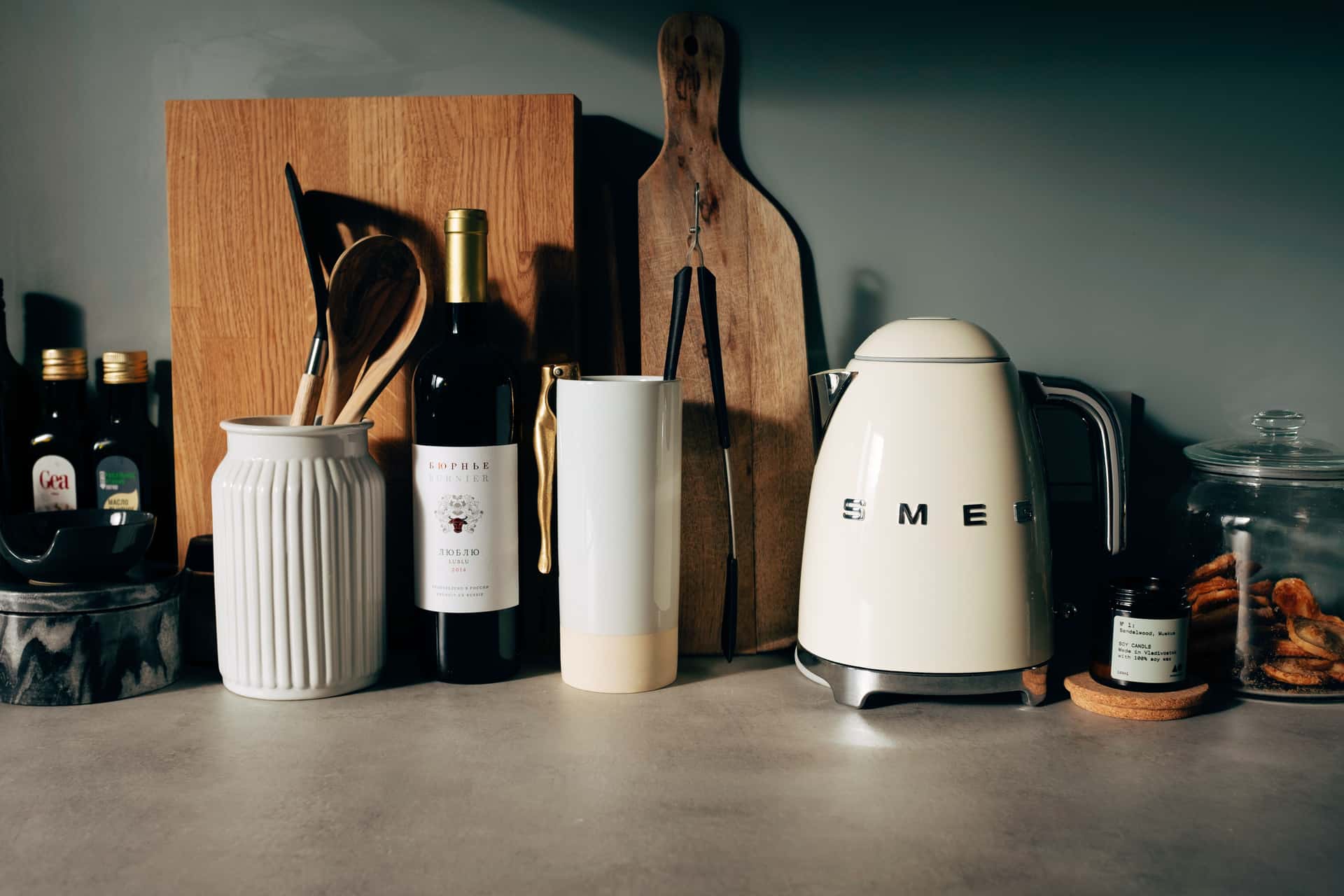
Which utensil sets cover the four tools that matter, and the one piece in every set you will never use.
Top pick
Ball Secure-Grip Canning Utensil Set
What makes a jar lifter work, why kitchen tongs fail, and which lifters are worth the money.
Top pick
Ball Premium Jar Lifter (10731)
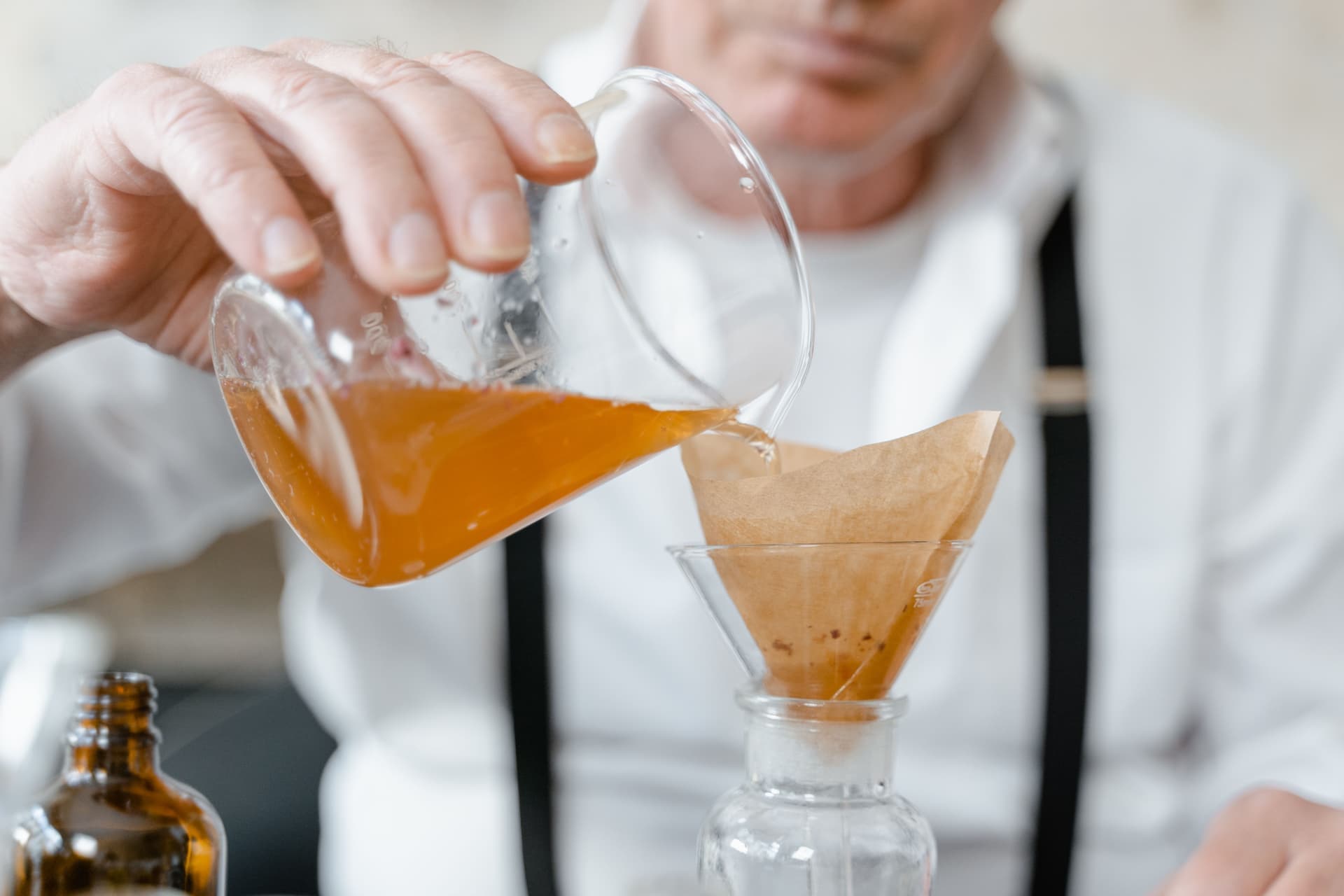
Why a funnel is a seal-rate tool rather than a tidiness one, and whether stainless is worth the money.
Top pick
OXO Good Grips Stainless Steel Canning Funnel
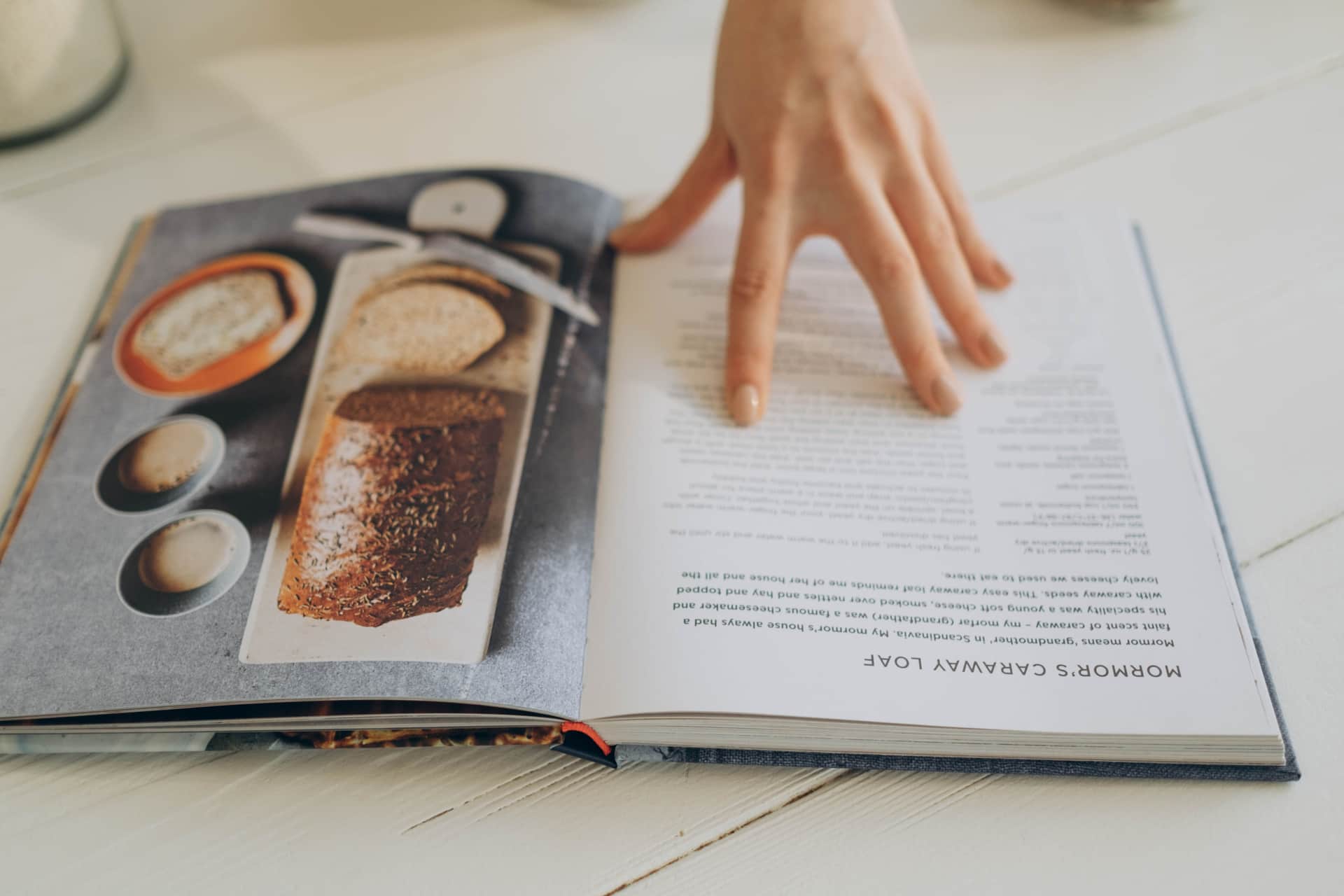
The books worth owning, and how to tell whether a book's recipes have actually been tested.
Top pick
Ball Blue Book Guide to Preserving
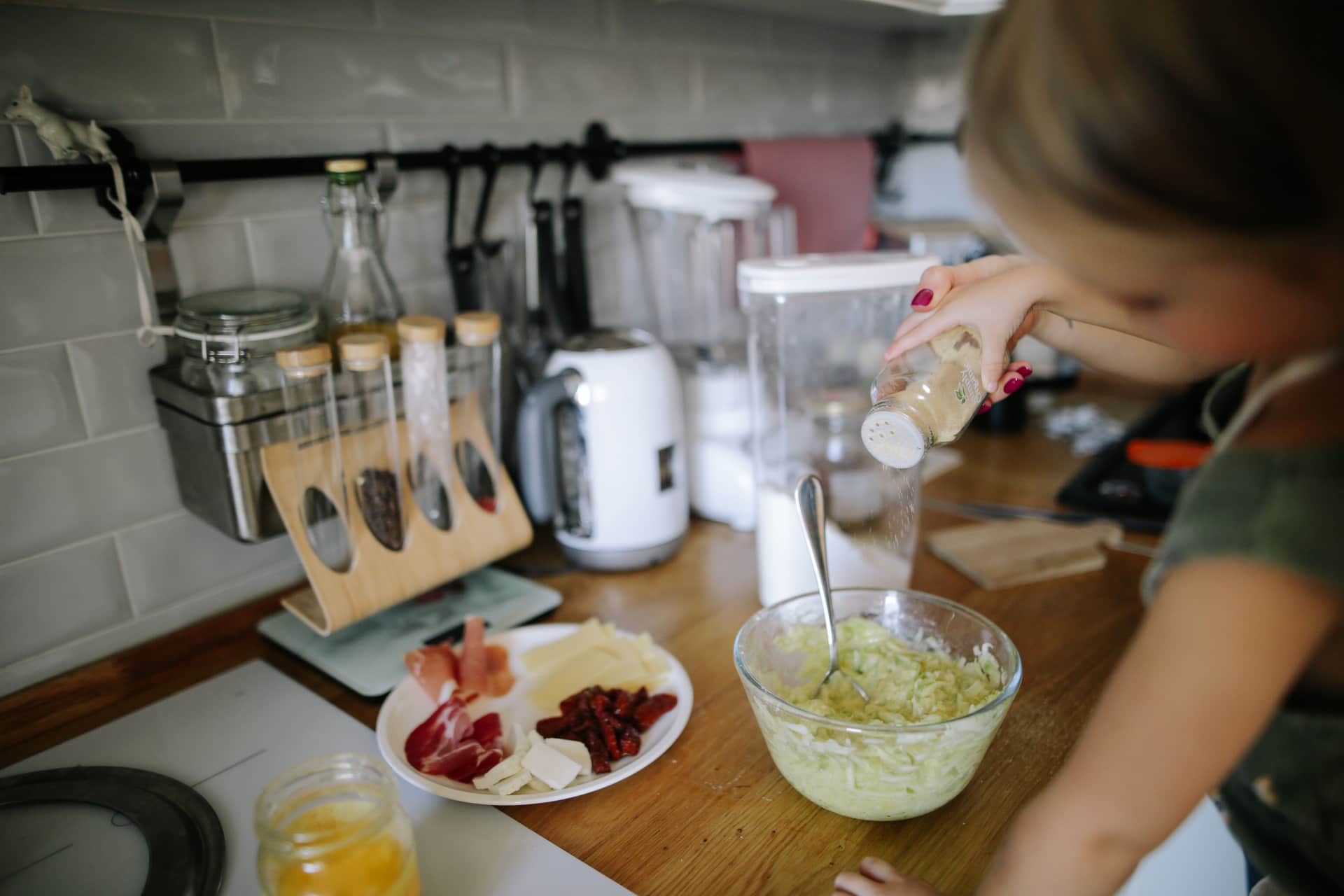
What canning salt is, when it matters, and why you cannot substitute it one-for-one by volume.
Top pick
Morton Canning & Pickling Salt
The full equipment list, sorted into essential and optional, with the reasoning for each.
Top pick

Granite Ware 21.5-Quart Water Bath Canner with Rack
The only canners whose makers state induction compatibility in writing, the magnet test, and what to do when your cooktop will not switch on.
Top pick

Presto 23-Quart Induction Compatible Pressure Canner (01784)
The NCHFP's six portable-burner rules applied to what you can actually buy. Most of the category fails on published numbers.
Top pick

Duxtop 9100MC 1800W Portable Induction Cooktop
Sealing ring, dial gauge, regulator and rack — the four parts that fail, with the genuine Presto stock numbers.
Top pick

Presto Pressure Canner Sealing Ring / Overpressure Plug Pack (09985)
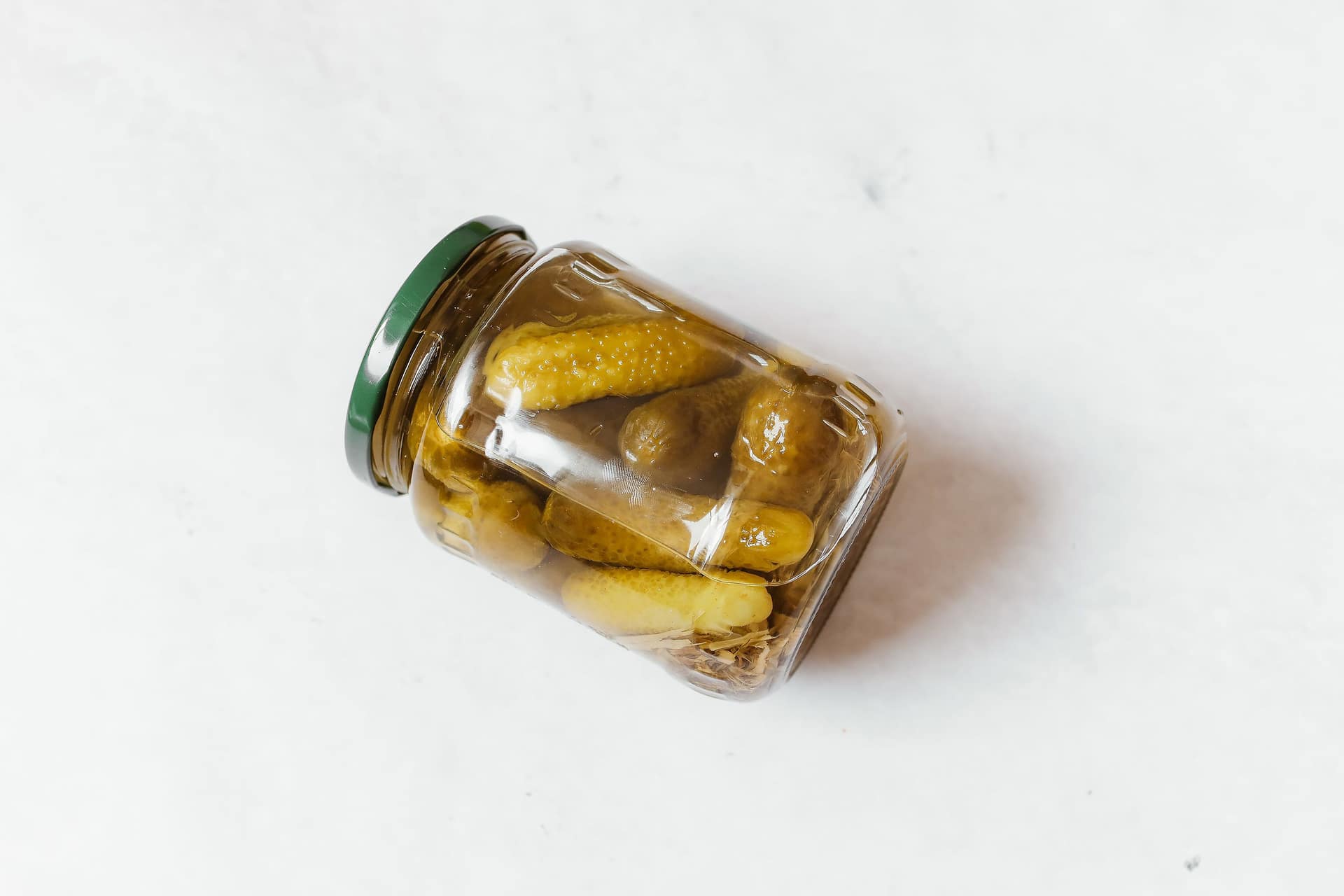
Calcium chloride for texture, citric acid or bottled lemon juice for tomatoes, and the older firming advice to leave behind.
Top pick

Ball Pickle Crisp Granules (calcium chloride)
Genuine canner racks, what converts a stockpot, and the interior measurement that decides whether a replacement fits.
Top pick

Presto Cooking / Canning Rack for Pressure Canners (85707)

The portable induction cooktop Presto identified and tested with its induction canner, measured against the NCHFP burner rules.
Top pick
Duxtop 9100MC 1800W Portable Induction Cooktop
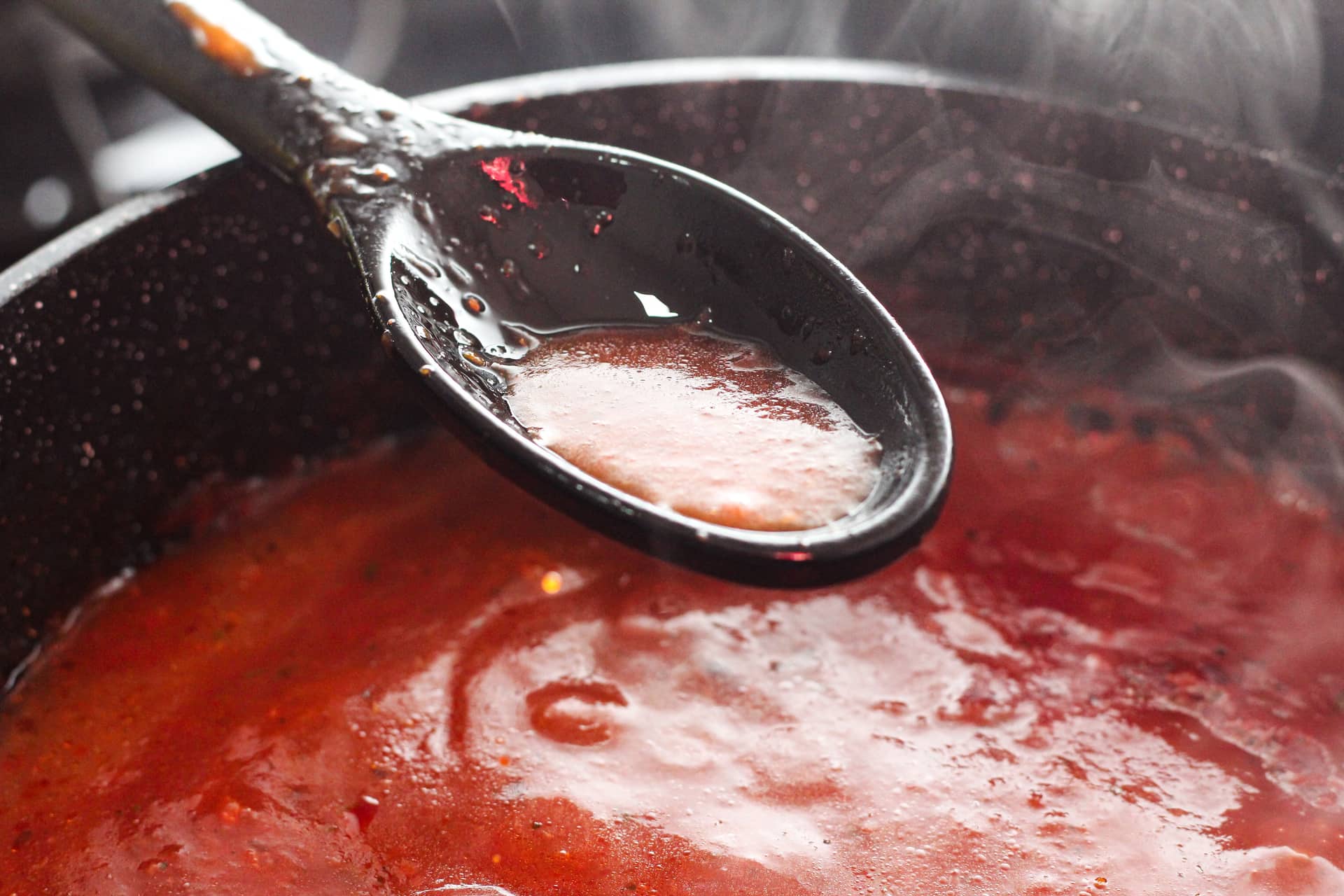
Rotary food mill or clamp-on tomato strainer: what each suits, which handles a bushel, and why a blender is the wrong tool.
Top pick

Norpro Sauce Master (1951) Food Strainer
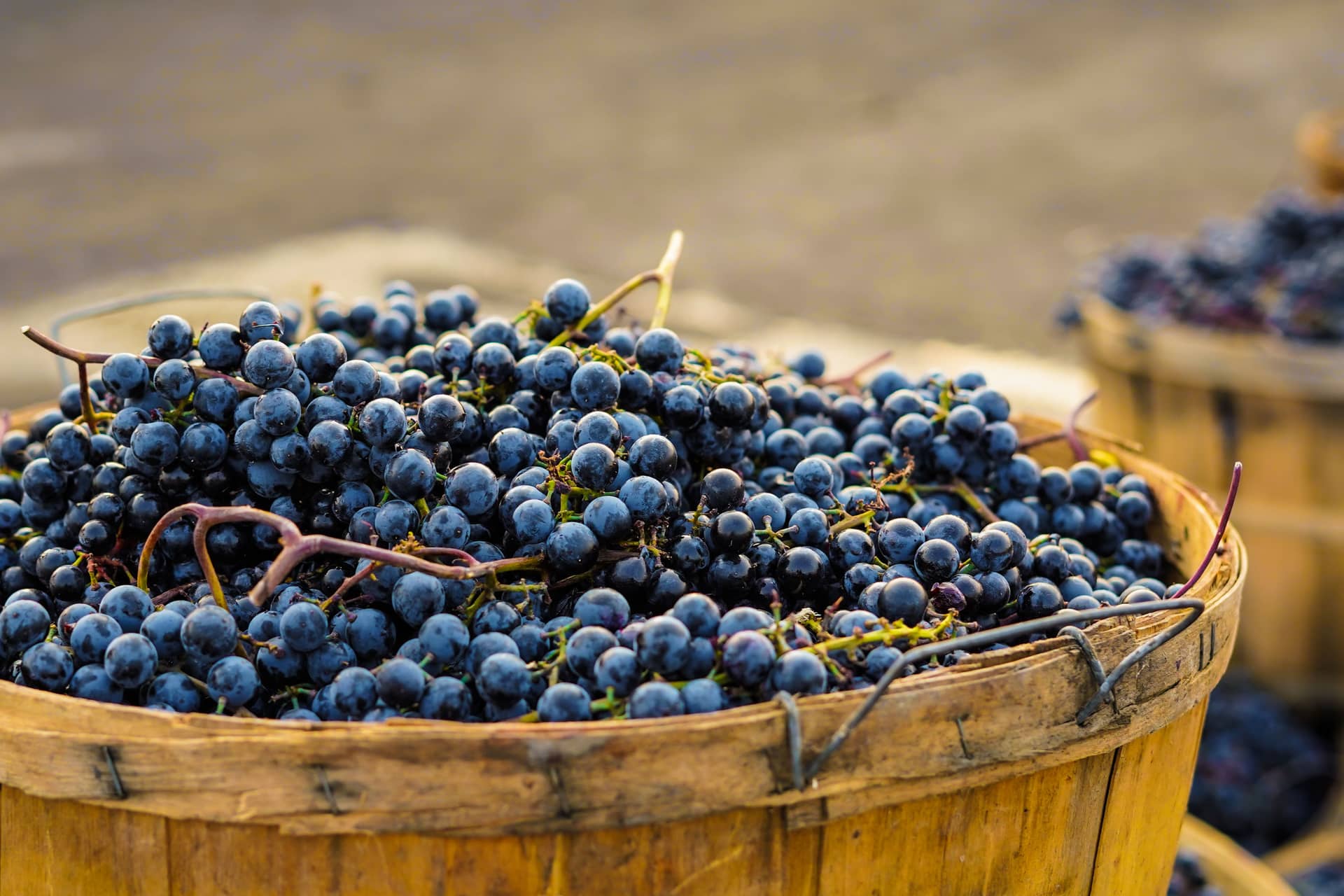
Three stainless steam juicers, what to look for in one, and how to can the juice safely instead of bottling it hot from the hose.
Top pick
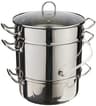
Norpro 619 Stainless Steel Steamer/Juicer
Powdered, liquid, low-sugar and calcium-activated pectin compared, and which one the recipe in front of you actually needs.
Top pick
Ball RealFruit Classic Pectin
Tested pickle recipes assume 5% acidity vinegar. Which bottles qualify, white versus cider, and the vinegars to keep away from jars.
Top pick
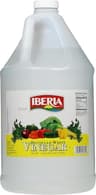
Iberia Distilled White Vinegar, 1 Gallon
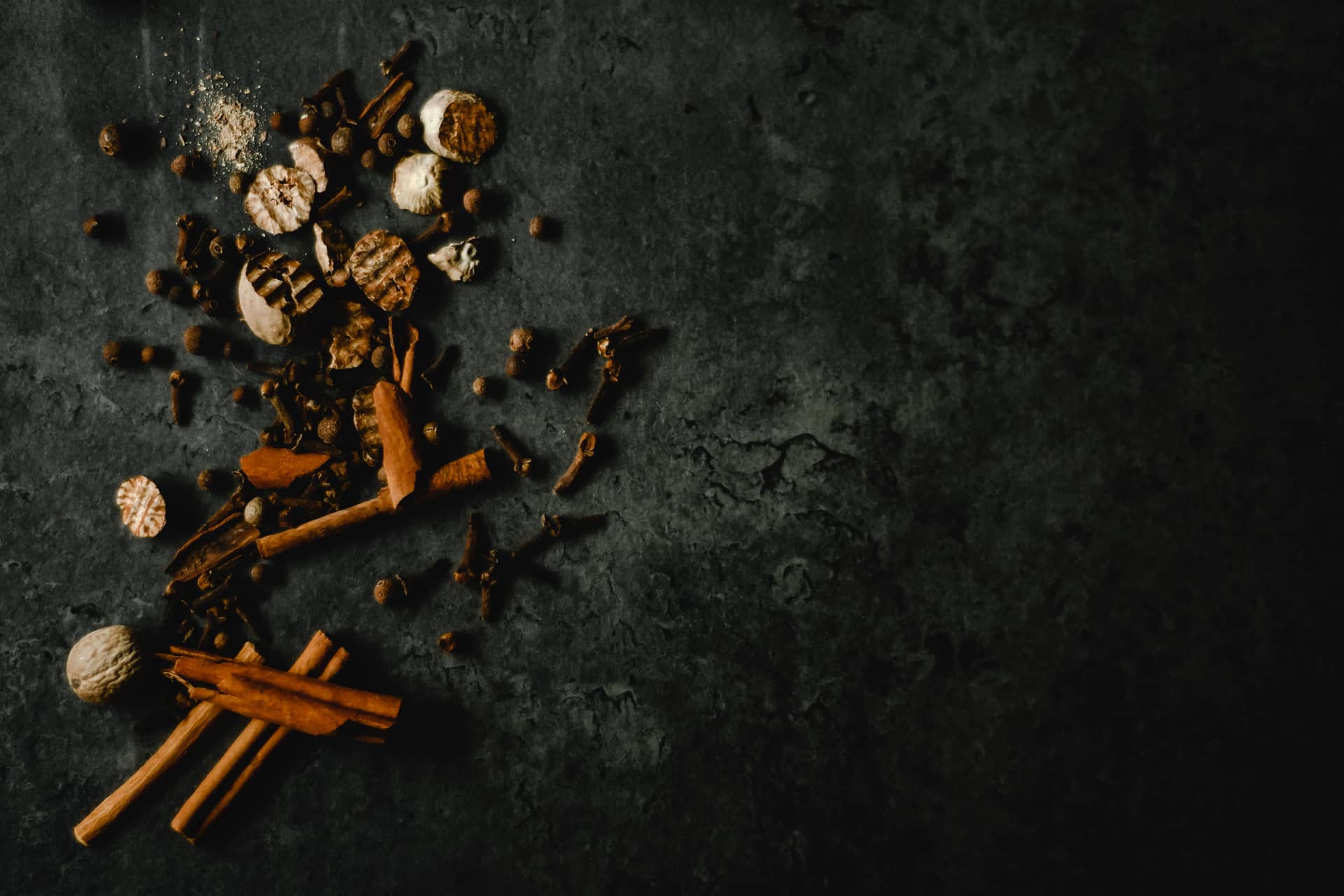
Three pickling spice blends with published ingredients, whole versus ground, and how much to use when the recipe does not say.
Top pick

Frontier Co-op Organic Pickling Spice, 1 lb
Pre-measured pickle and salsa mixes: what each pouch makes, what you supply, and why you cannot use half of one.
Top pick

Mrs. Wages Kosher Dill Quick Process Pickle Mix
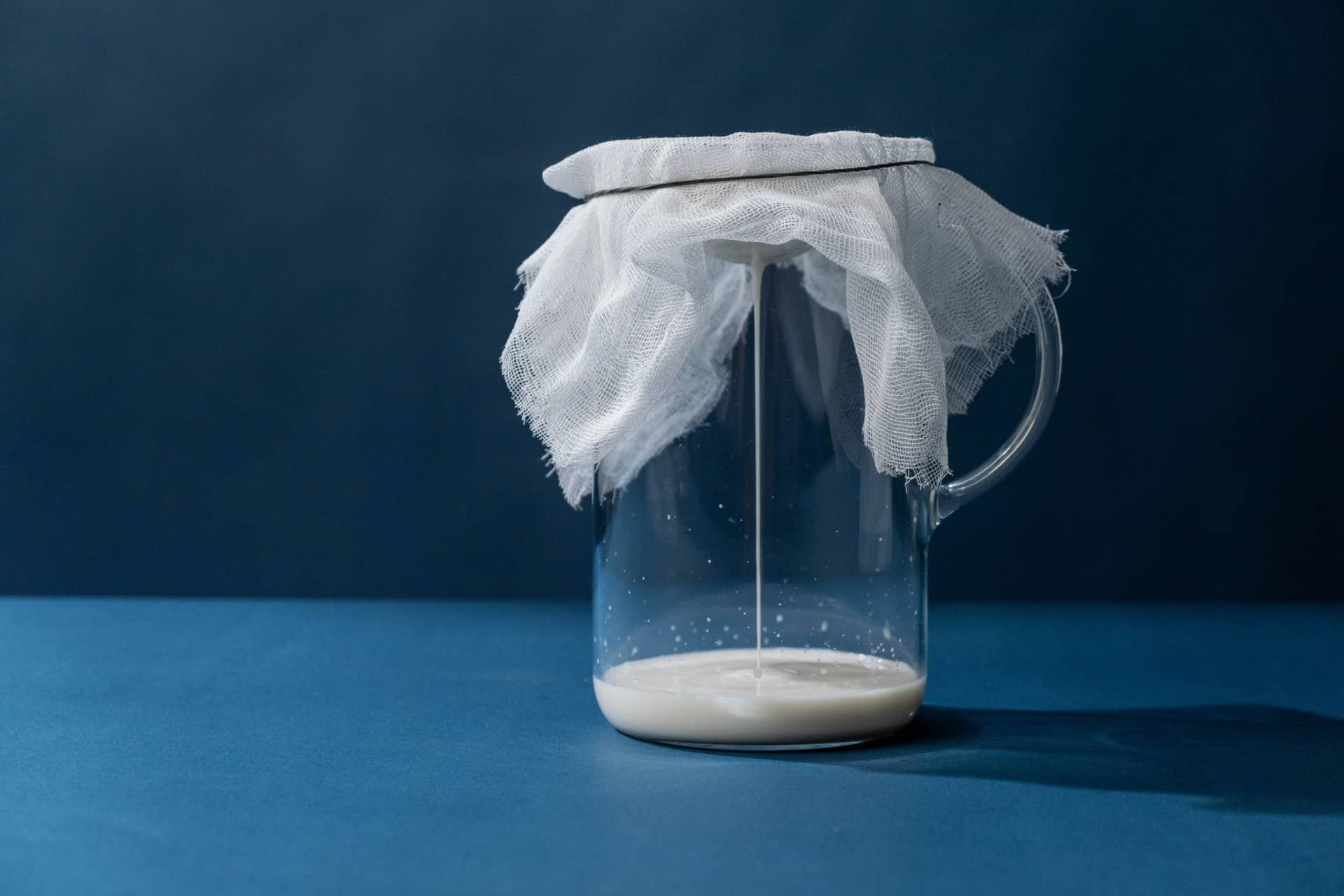
Jelly bag, stand or cheesecloth: what tested jelly procedures call for, and why the clearest jelly comes from juice nobody squeezed.
Top pick

Norpro Jelly Strainer Stand (614)
Cook type or instant, how much per quart, why cornstarch is unsafe in a canned filling, and what to do when you cannot find Clear Jel.
Top pick

Hoosier Hill Farm Clear Jel, Cook-Type
Start with the current Ball Blue Book or a case of lids. Both are things a canner uses up or wants the newest edition of, and neither depends on knowing their stove or their jar sizes.
Top pick
Ball Blue Book Guide to Preserving