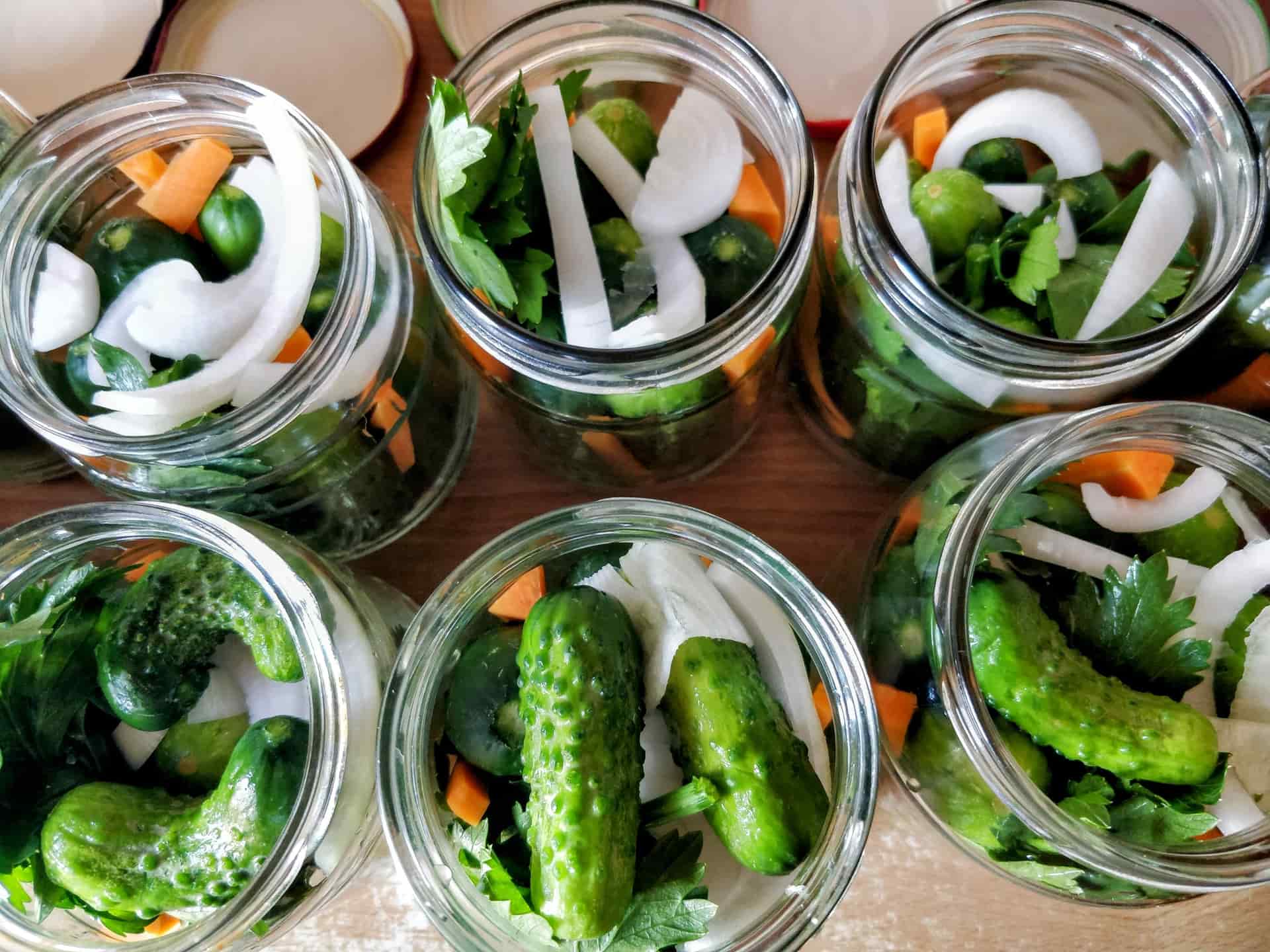
Canning for beginners
The whole path from a full counter to a sealed jar: which method, what to buy, and how a first batch actually runs.
Read the guideThe path
You have produce on the counter and a week to deal with it. This is the shortest honest path from there to a sealed jar you trust.
Home canning splits into exactly two methods, and which one you need is decided by the food, not by preference. High-acid foods — jams, pickles, most fruit, properly acidified tomatoes — go in a boiling-water canner. Low-acid foods — beans, corn, plain vegetables, meat — must go in a pressure canner, because only a pressure canner reaches the temperature that destroys botulism spores.
That paragraph is the whole decision, and almost every other question people ask before their first batch is downstream of it. What you are canning determines the method; the method determines the pot; the pot is the purchase. Everything else — jars, lids, a jar lifter, a funnel — costs less than the pot and is genuinely interchangeable between brands.
The reason this is worth being blunt about is that the two methods are not interchangeable and the failure is invisible. An under-processed jar of green beans looks, smells and sounds exactly like a correctly processed one. There is no test you can do at home. The protection comes entirely from having used the right method for the right food, for the right length of time, and that is why we spend so much of this site pointing at the National Center for Home Food Preservation rather than at our own opinions.
Most first-harvest buyers make one of two mistakes: they buy a pressure canner they will not use for a year, or they buy nothing because the choice felt too consequential and the peaches went soft. The path below avoids both. It is the site concept in one line — water bath first, then jars, then pressure when the food demands it.
Not capacity, and not price. The thing that most often turns a new canner into a returned canner is the stove. The NCHFP states that on an electric range a canner "should be no more than 4 inches wider in diameter than the element on which it is heated" — a wider canner heats unevenly, and the jars around the outside may never hold temperature for the full processing time.
Household electric elements are commonly 6 to 9 inches across, which puts a hard ceiling of 10 to 13 inches on the canner. That single number rules out some of the most-recommended canners in this category before you have compared a single feature. We built will it fit your stove to do that arithmetic for you, because nobody else in this field publishes it.
A water bath canner, a case of pint jars, lids and a jar lifter is the entry cost, and it is modest. The jars last forever and the rings last for years; the only true consumable is the flat lid, which is single-use by design. A pressure canner is several times the cost of the water bath setup, and it is the purchase worth deferring until you know you want it.
We show live prices where we can get them, with the date they were checked, because nobody else in this category shows a price at all. Where we cannot verify a live price, the button says "Check price" and we do not print a number from memory. That is a deliberate policy, explained on how we pick.
If you already know which method your food needs, go straight to the roundup: water bath canners or pressure canners. If you do not, read water bath vs pressure canning first — it is a table, not an essay, and it takes two minutes. And if what is actually stopping you is the fear rather than the equipment, start at is home canning safe.
The whole path from a full counter to a sealed jar: which method, what to buy, and how a first batch actually runs.
Read the guide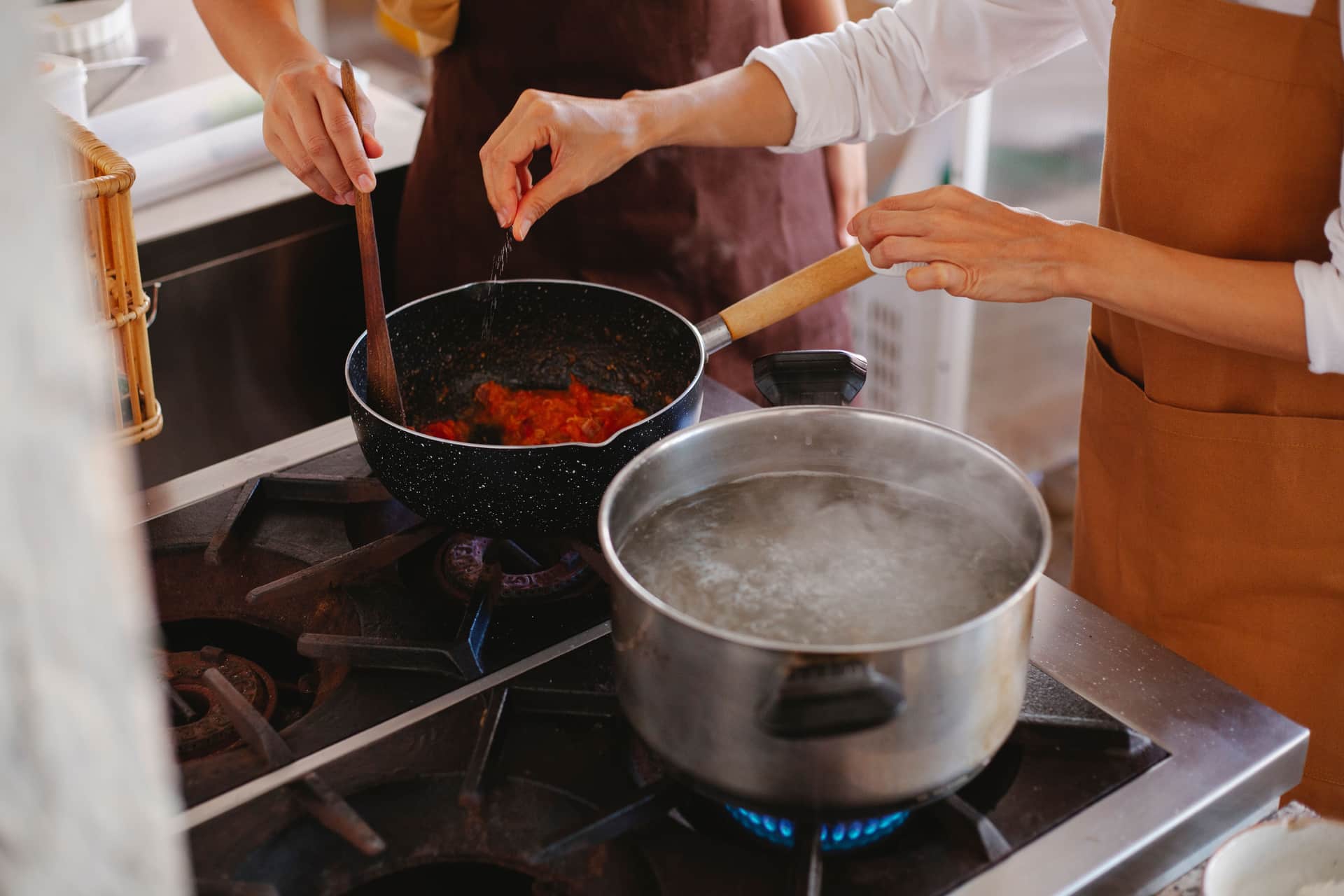
A table you can act on: what each method preserves, what it costs, and the line between them that is not negotiable.
Read the guide
The shopping list, split into essentials and nice-to-haves, plus the measurement to take before you buy anything.
Read the guide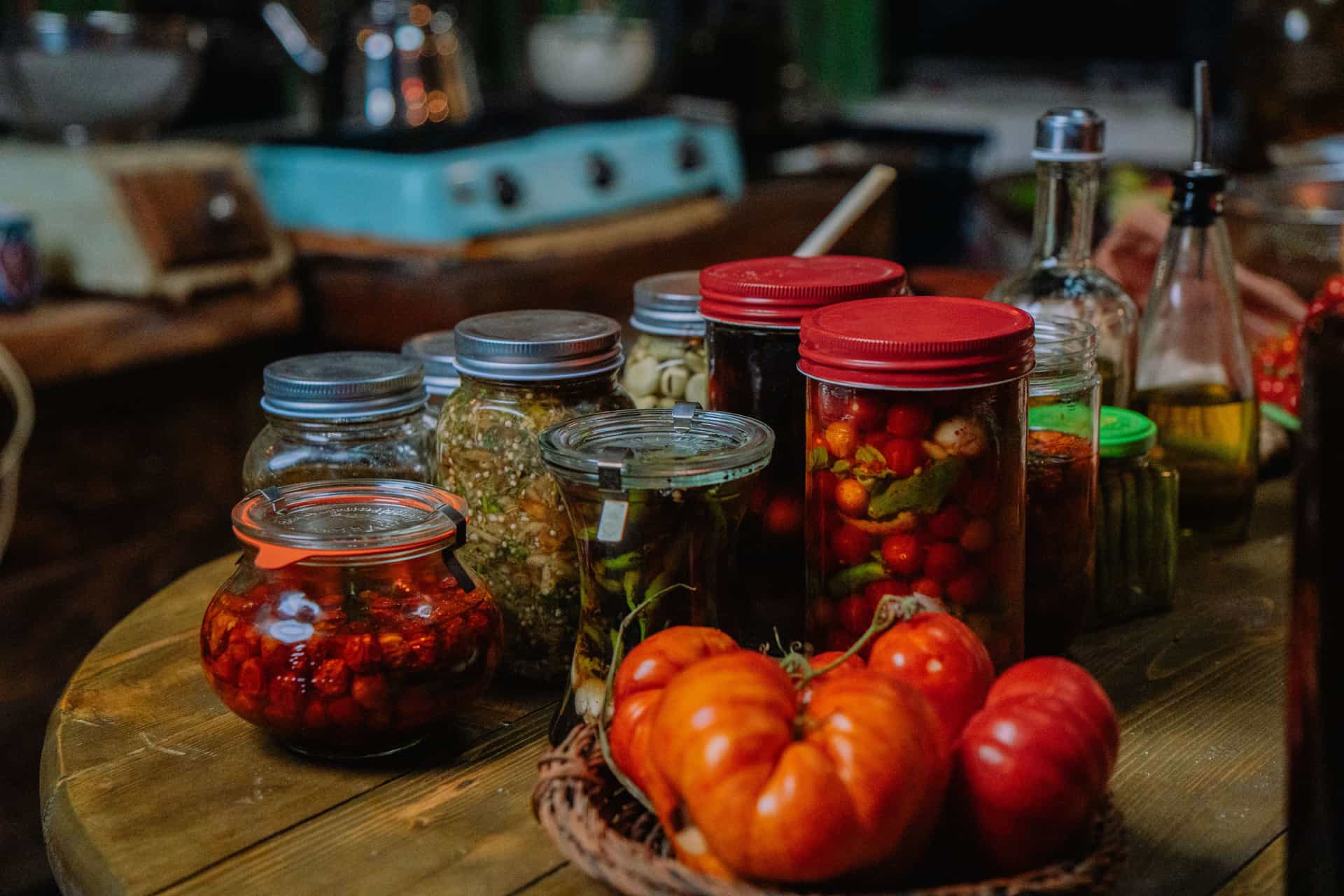
Canning against freezing, drying, fermenting and vacuum sealing, on cost, shelf life, effort and what each does to the food.
Read the guide
Three starting budgets, what is one-time versus yearly, and the two places to deliberately spend less.
Top pick
Granite Ware Enamel-on-Steel Canner Kit
Which foods actually earn their jar, which are better frozen, and what each tier of food requires you to own.
Top pick

Granite Ware 21.5-Quart Water Bath Canner with Rack
What a jar sealer is genuinely good for, why vacuum sealing is not canning, and which sealer and machine to buy.
Top pick

FoodSaver Jar Sealer with Accessory Hose