The glass lasts decades, the bands last years, and the flat lid is single-use. Getting that hierarchy right is most of the running cost.
A canning jar is a three-part system: the glass jar, a flat metal lid with a sealing compound, and a screw band. The jar and the band are reusable indefinitely. The flat lid is single-use — its sealing compound is designed to compress once — and reusing it is the most common cause of a failed seal.
Almost every jar question a beginner has resolves into that hierarchy. The expensive-looking thing, the glass, is the cheap part over time. The cheap-looking thing, the flat lid, is what you buy every year. Plan your shopping around that and the running cost of this hobby stops surprising you.
Two mouth sizes, and you have to pick
Canning jars come in regular mouth, about 70 mm across the lid, and wide mouth, about 86 mm. The lids are not interchangeable and there is no adapter. Regular mouth lids are cheaper and stay on the shelf longer in peak season; wide mouth jars are dramatically easier to pack with whole fruit and pickle spears and much easier to wash.
The practical answer for a first year is regular mouth pints for jam, salsa and sauce, and wide mouth quarts if you are doing peaches or pickles. If you would rather not think about it, buy one mouth size and stay with it — a mixed inventory means stocking two lid sizes forever. Full dimensions are in canning jar sizes.
Ball, Kerr, and the brand question
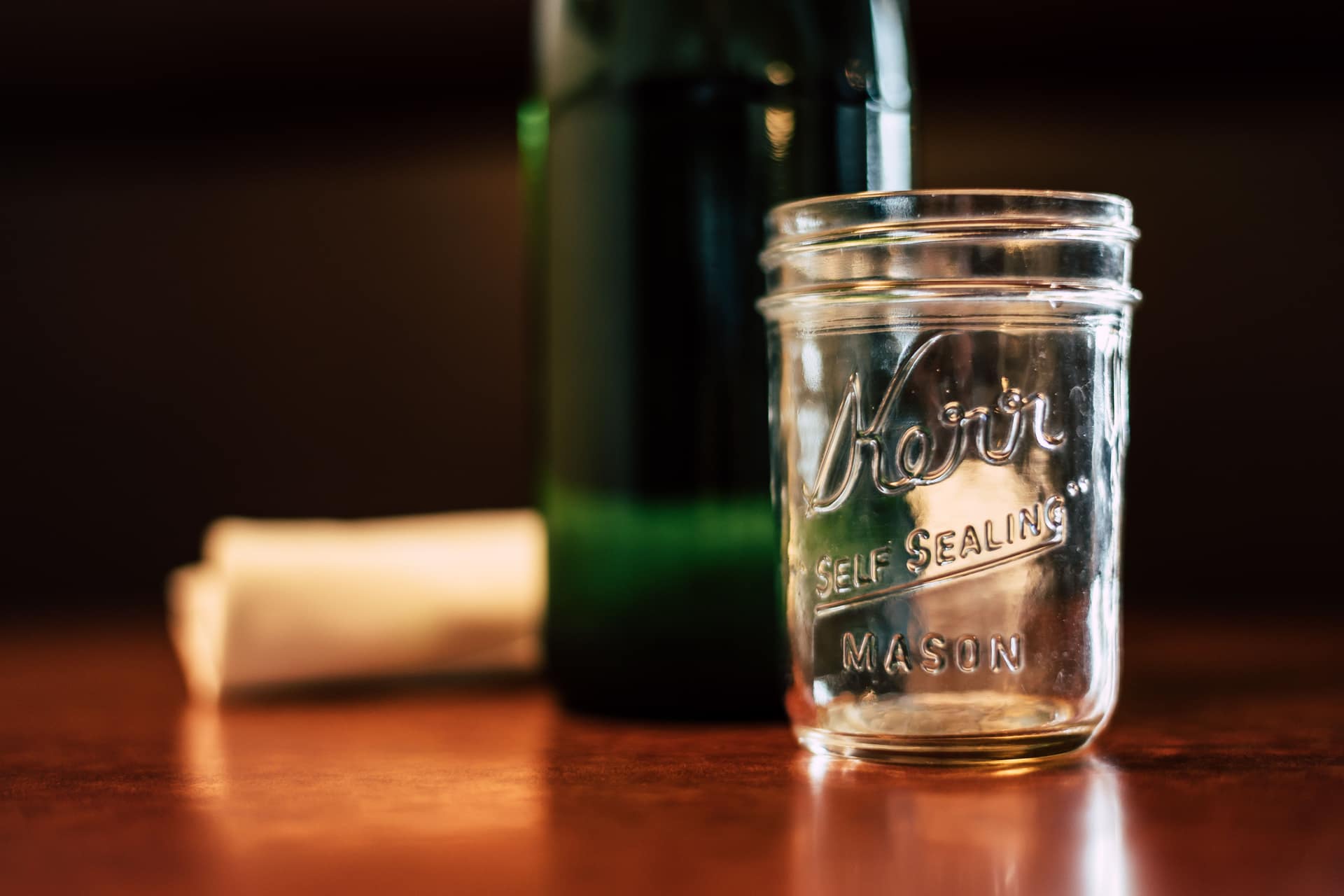
Ball and Kerr are the same company and the same thread standard. Kerr lids fit Ball jars of the same mouth size, and vice versa. There is no safety difference and no meaningful quality difference; buy whichever is cheaper on the shelf in front of you. We go through it properly in Ball vs Kerr mostly so you can stop wondering.
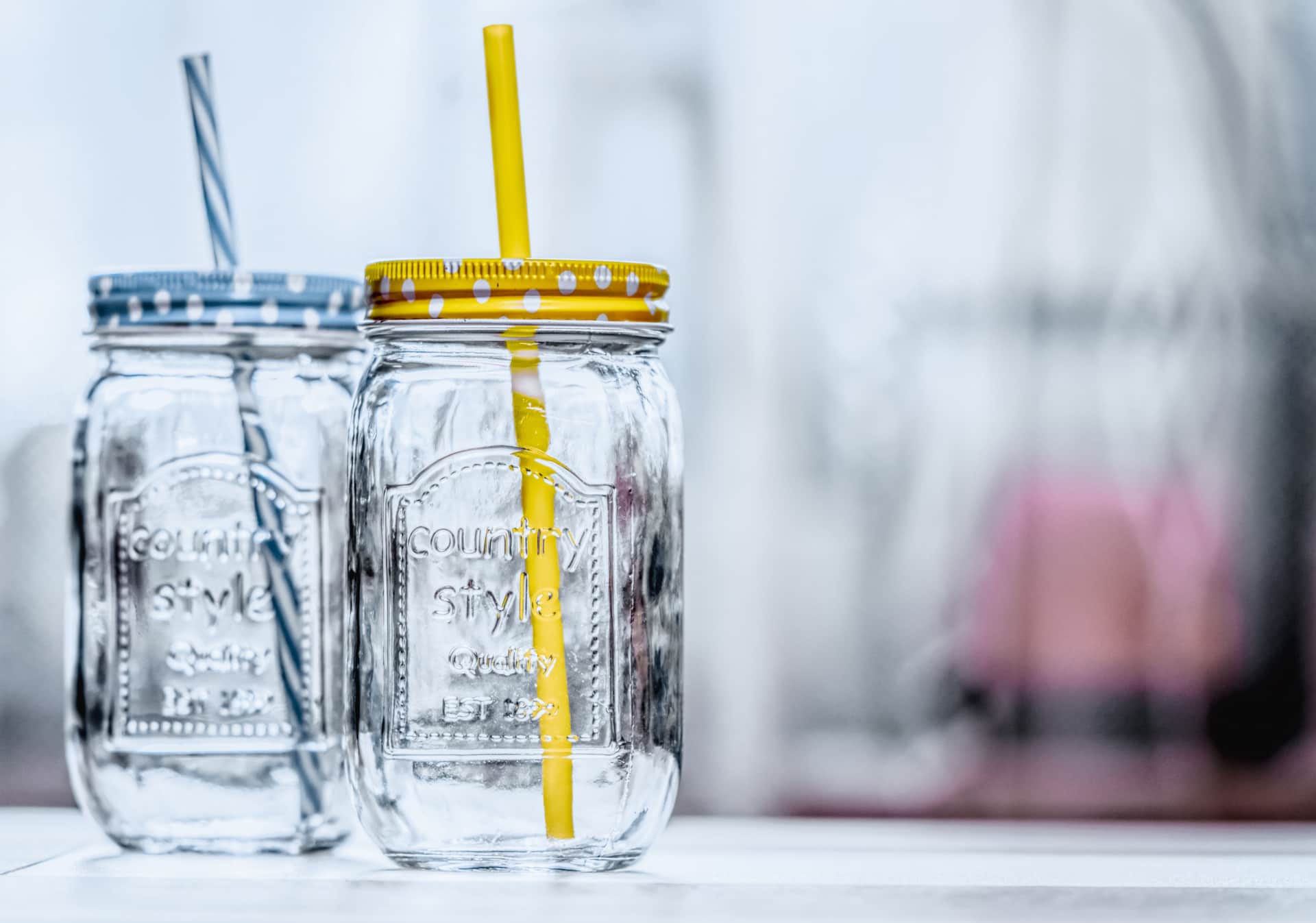
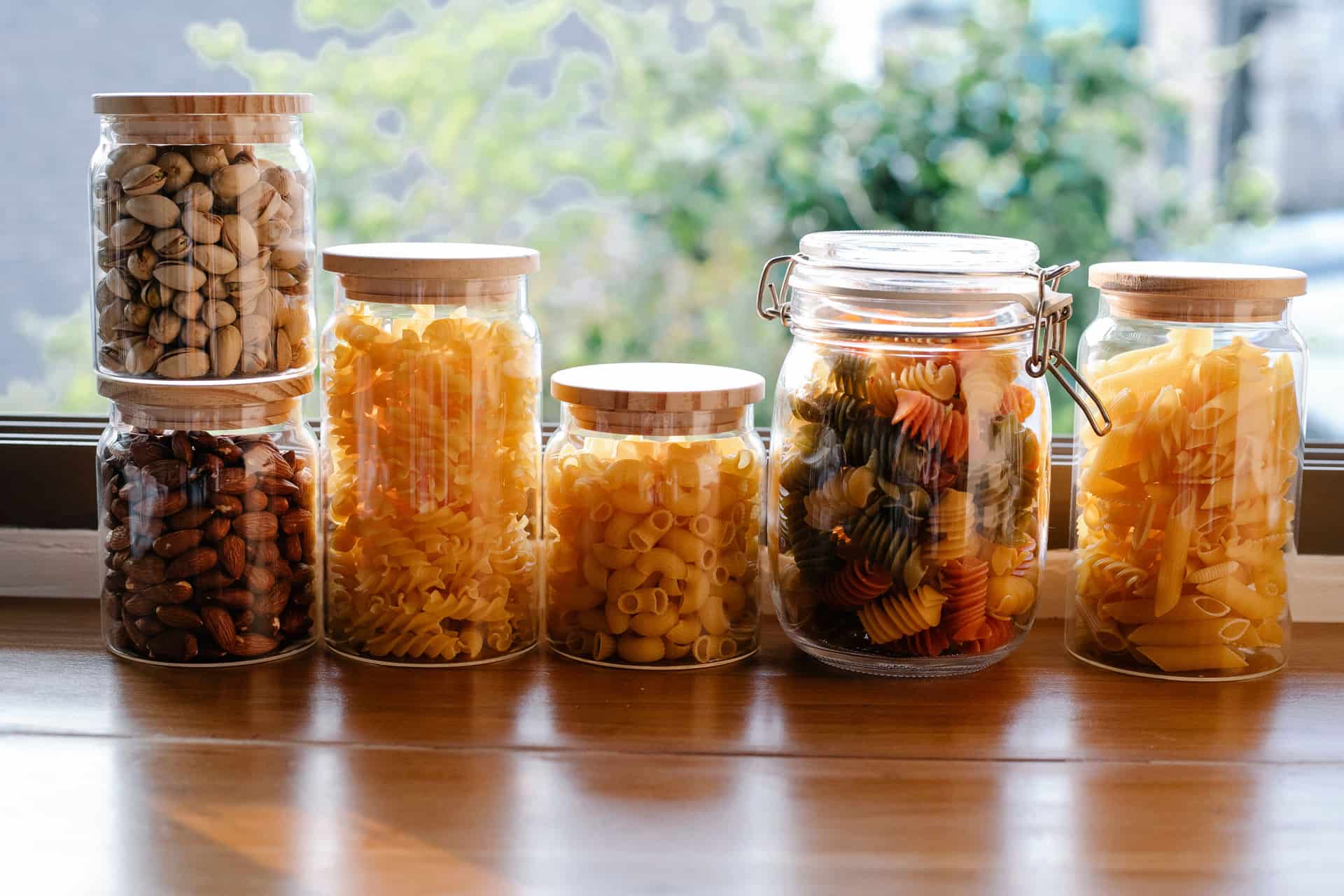
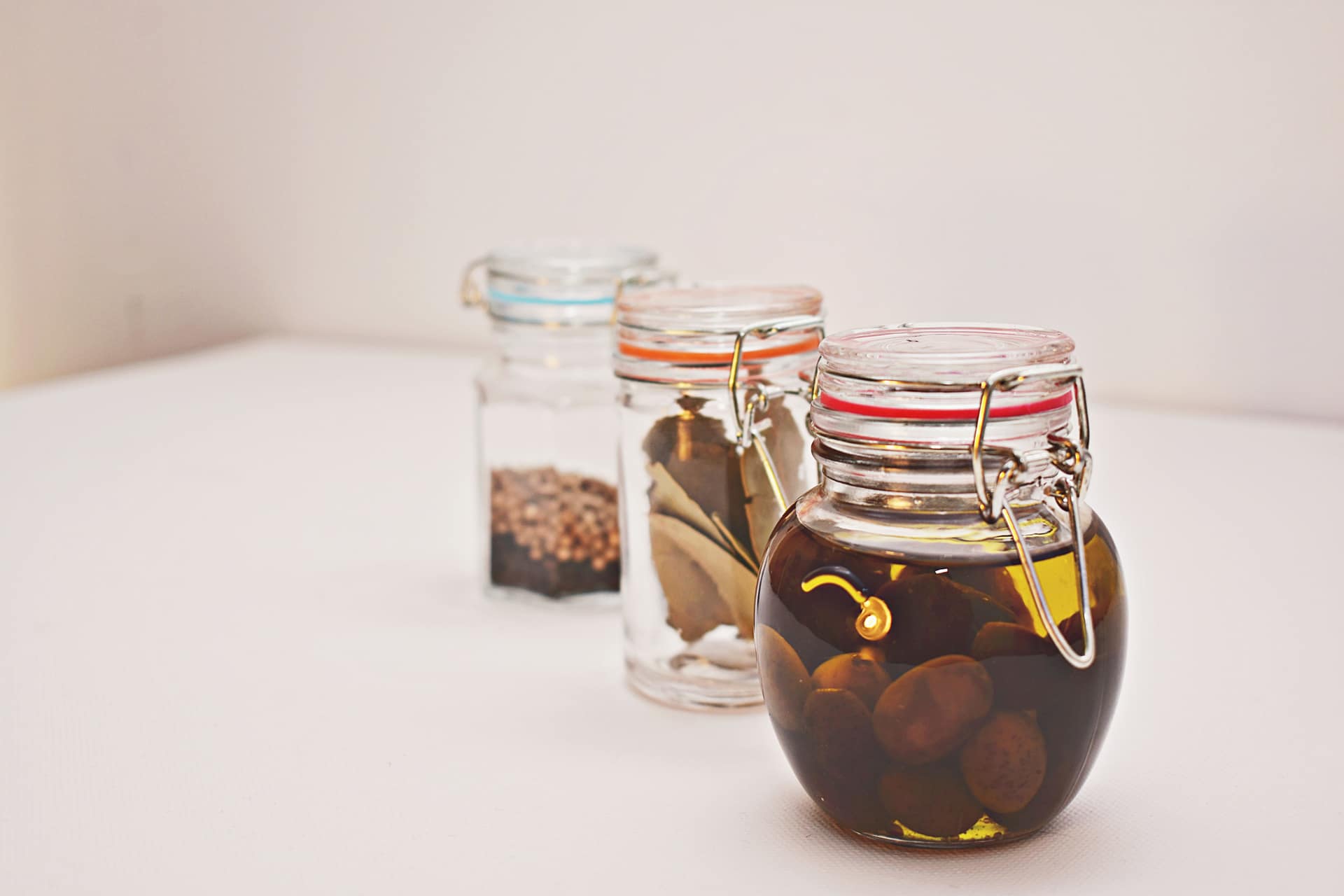
What does matter is that the jar is a canning jar. Commercial jars that food came in — pasta sauce, pickle jars, mayonnaise — are not manufactured to be reheated repeatedly under pressure, do not reliably take a standard lid, and are not recommended for home canning. Decorative jars with clamp lids and rubber rings are a separate system with their own tested guidance.
Reusable lids, and whether the math works
Reusable systems like Tattler use a plastic lid with a separate rubber ring and are designed for repeated use. They are genuinely reusable and they genuinely change the long-run cost if you can a great deal. The catch is that the band-tightening technique differs from a metal lid, and a first batch with them commonly produces failed seals while you learn it. Buy them to try on a batch you can afford to lose, not for your first-ever canning day. See reusable canning lids.
Sterilizing, and when you do not need to
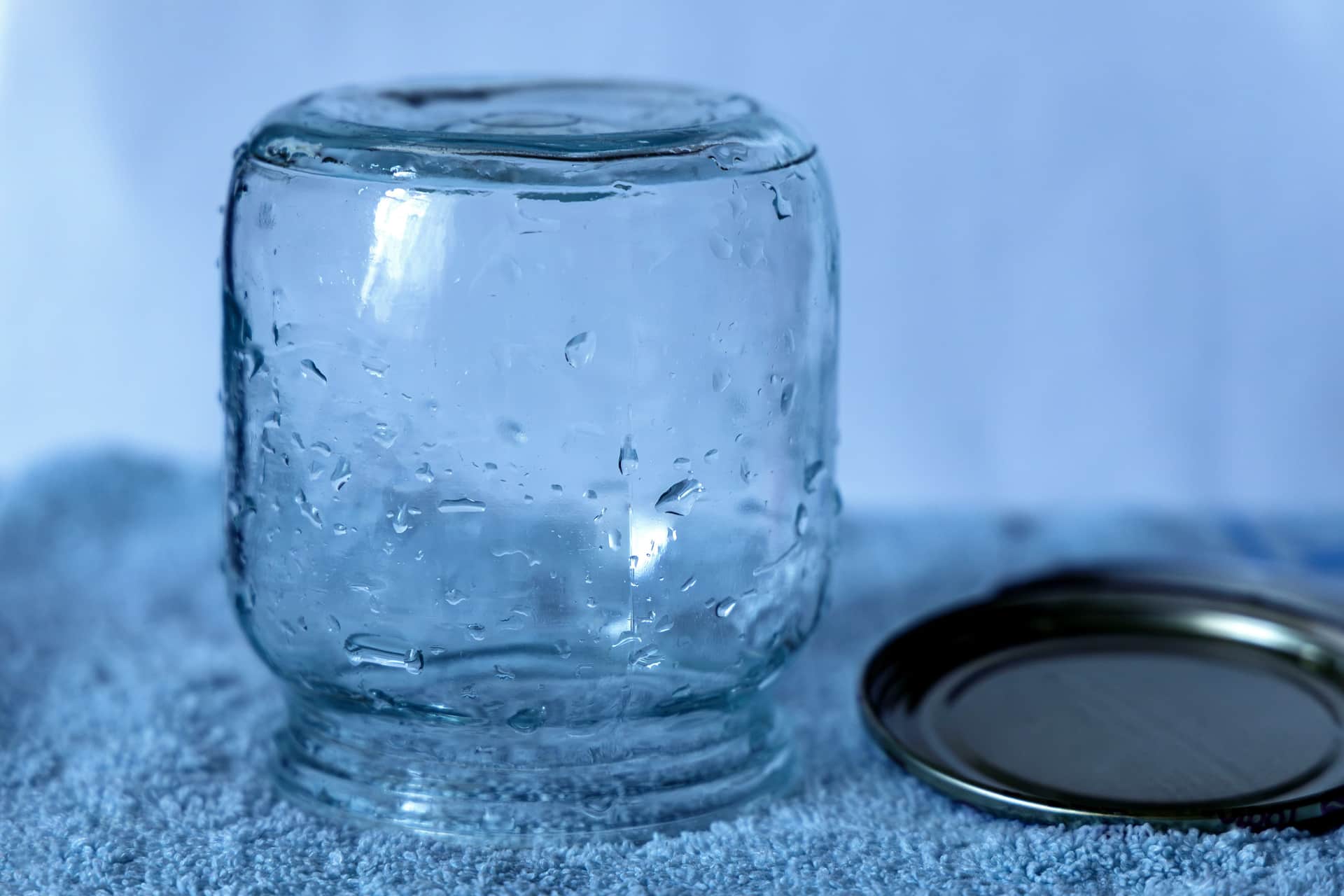
Jars must be clean and hot, but they do not always need to be sterilized. When the processing time is 10 minutes or longer, the processing itself does that work. Under 10 minutes, the jars need to be sterilized first. That distinction saves a lot of pointless boiling and it is laid out step by step in how to sterilize canning jars.
Yes - NCHFP accepts glass jars and names Mason jars for sauerkraut. Swap the flat lid for an airlock, keep the food under the brine, and know where a jar stops being big enough.
Ball: "Jars should not be used in the microwave or oven." Weck: jars and glass lids are both dishwasher and microwave safe. The two claims, the thermal-shock numbers, and what to buy.
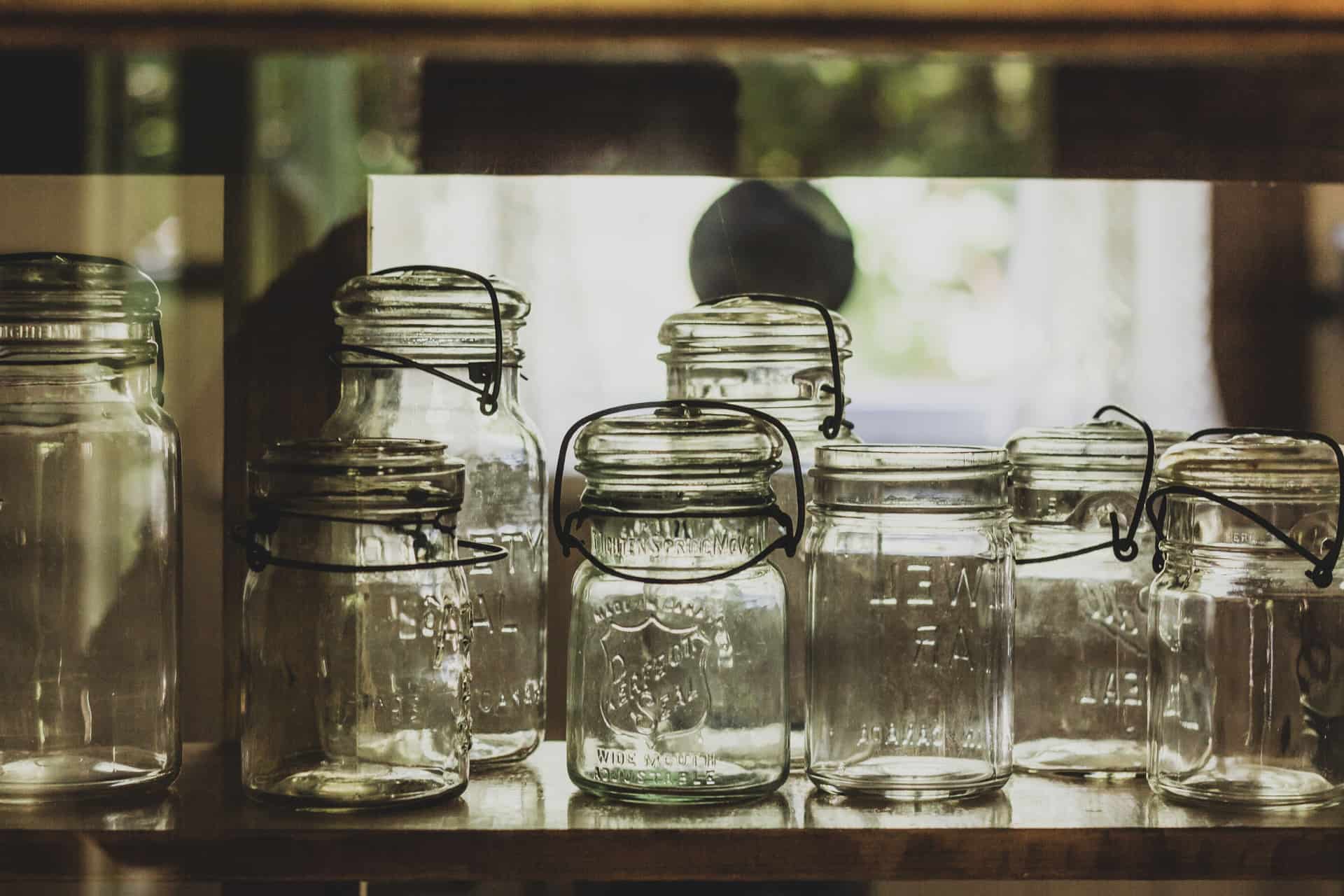
No for zinc caps, glass lids and wire bails - NCHFP retired all three. Threaded jars that take a modern two-piece lid are a different question, and this is how to judge them.
Wide-mouth quarts for spears, pints for rounds, half-pints for relish - and the NCHFP rule that explains why a 24 oz jar usually has no process time at all.