How to find safe canning recipes
A transferable skill worth more than any single recipe: how to look at something and tell whether anyone actually tested it — including the [pre-measured mixes](/canning-tools/canning-mixes) sold with their own directions.
A safe canning recipe comes from a source that has laboratory-tested its processing times: the National Center for Home Food Preservation, the USDA Complete Guide to Home Canning, a university extension service, or a current Ball publication. A tested recipe always states the jar size, the processing time and the altitude adjustment.
This is the most useful skill on the site, because it outlasts any individual recipe. Once you can look at a page and tell whether anybody validated it, you can use the whole internet safely instead of avoiding it.
The four-question test
Ask these of any canning recipe. A tested recipe answers all four without you having to hunt.
- 1Does it state a jar size? Processing times are jar-size specific because heat takes longer to reach the center of a bigger jar. A recipe with a time but no jar size is not a process.
- 2Does it state a method — water bath or pressure — and for pressure, a psi? "Process for 20 minutes" without saying in what is not an instruction.
- 3Does it give an altitude adjustment? Every tested source includes one, because times and pressures change with elevation.
- 4Where do the times come from? A tested recipe either is from a testing body or cites one. If nobody will tell you who tested it, nobody did.
Sources you can rely on
| Source | Why | Cost |
|---|---|---|
| National Center for Home Food Preservation | The body most tested processes trace back to | Free |
| USDA Complete Guide to Home Canning | The underlying reference, published through the NCHFP | Free |
| Your state extension service | Tested, written for home cooks, often specific to your altitude and conditions | Free |
| Current Ball publications | Tested recipes, and the Blue Book is compact enough to keep on the counter | Low |
| A canner manufacturer's own manual | Tested for that specific canner, which is exactly what you want | Included |
Sources to treat as inspiration only
- Recipe blogs, unless they cite a tested source for their times. Many good ones do — the citation is the thing to look for, not the tone.
- Social media video. No processing times, no jar sizes, no altitude, and the format rewards novelty over validation.
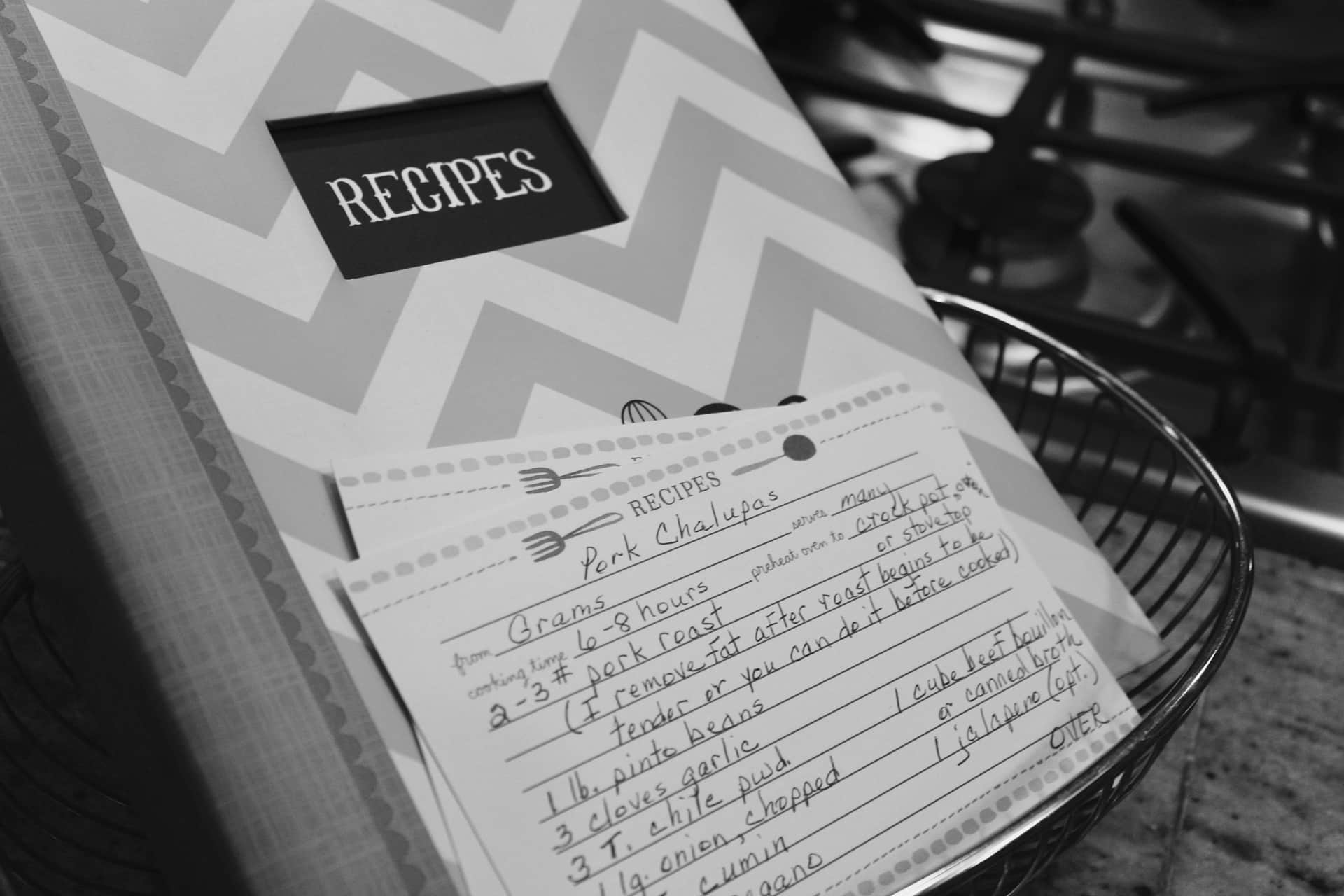
- Family recipes. Cherish them for flavor. Take the processing time from a tested source, because guidance has changed a great deal in fifty years.
- Old canning books. Editions predating current guidance recommend practices no longer considered safe.
- Forums and comment threads. Useful for troubleshooting equipment; not a source for a process.
The substitutions that break a tested recipe
This is where careful people go wrong, because none of it feels reckless. A tested recipe is a tested combination of acidity, density and heat penetration. Change any of those and the tested time no longer describes what is happening in your jar.
| Change | Safe? | Why |
|---|---|---|
| Reducing the vinegar or lemon juice | No | The acid is the safety margin in a water bath recipe |
| Adding extra onion, pepper or vegetables to a salsa | No | Raises the pH of the batch — the ratio is the recipe |
| Thickening with flour or cornstarch | No | Blocks heat penetration to the center of the jar |
| Swapping the jar size | No | Processing times are specific to jar size |
| Doubling the batch | Yes | Quantities scale; processing time does not change |
| Reducing or omitting sugar | Usually yes in canning terms | Affects set and quality, not safety. Check the specific recipe |
| Reducing salt | Usually yes | Flavor and texture, except in ferments where it is structural |
| Changing herbs and spices | Yes, in small amounts | Little effect on pH or density |
| Swapping a variety of the same fruit | Usually yes | Peach for peach is fine; peach for pear is a different food |
Judging a blog recipe fairly
Plenty of recipe blogs publish perfectly safe canning recipes. The signals of a good one are concrete: it names its jar size and processing time, it gives an altitude adjustment, and it cites where the time came from — often the NCHFP or an extension service.
The signals of a bad one are equally concrete: a processing time with no jar size, no mention of altitude anywhere on the page, an invitation to "adjust to taste" applied to the vinegar, or a low-acid food in a water bath. One of those is enough to close the tab.
When sources disagree
Go to the NCHFP. It is the body most tested processes ultimately derive from, it is free, and it is current. If a book, a blog and a family recipe give three different times for the same food in the same jar size, the NCHFP is the tiebreaker — and its guidance on selecting the correct processing time explains how the times are chosen.
The gear that solves this
The most reliable fix for recipe anxiety is a tested source on the counter, and the right pot beside it.
Common questions
How do I know if a canning recipe is safe?
Are recipes from blogs safe?
Can I use my grandmother's canning recipe?
Can I add extra vegetables to a tested salsa recipe?
Can I double a canning recipe?
Can I reduce the sugar in jam for canning?
Sources
- National Center for Home Food Preservation
- NCHFP — Selecting the Correct Processing Time
- SDSU Extension — Water Bathing vs Pressure Canning
Product specifications are taken from each manufacturer’s own published page, cited on the product. We have not handled these products — how we pick.