The best canning books
The most useful thing you can put on the counter, because a canning recipe is a validated process rather than a suggestion.
Disclosure: we earn a commission on purchases made through links on this page, at no extra cost to you. It does not change what we recommend — see how we pick and our affiliate disclosure.
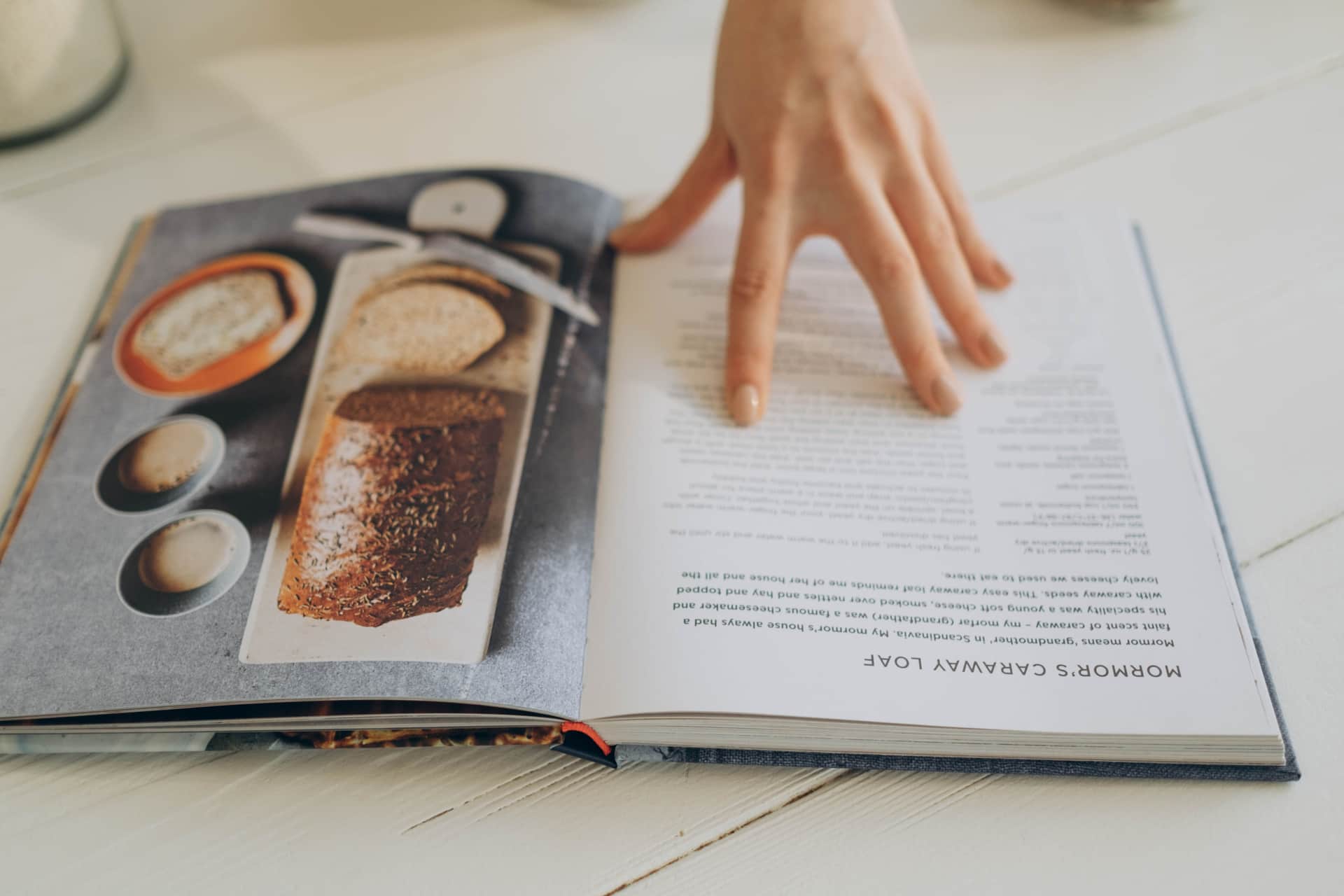
The best canning book is one whose recipes have been laboratory tested for safe processing times, which in practice means the Ball books, the USDA Complete Guide to Home Canning, or a university extension publication. A canning recipe is a validated process, not a suggestion, and an untested one cannot be made safe by careful cooking.
This is the cheapest genuine safety upgrade available. Not because a book is magic, but because having a tested source physically on the counter is what stops you improvising from a search result at the exact moment you are tired and the food is ready.
What makes a canning book trustworthy
- Its recipes have been tested for safe processing times — laboratory work establishing that a given food, in a given jar size, reaches a lethal temperature throughout for long enough.
- It gives processing times by jar size, because a pint and a quart are not the same problem.
- It includes altitude adjustments, without which the times are only correct near sea level.
- It specifies added acid where acid is required — bottled lemon juice or citric acid for tomatoes, in a stated amount.
- It tells you what not to do, and a good one is explicit about which foods have no safe home process.
Quick picks
Every pick below is screened against the National Center for Home Food Preservation’s published canner rules first. Tap a row for the full write-up.
| # | Product | Best for | Key spec | Price |
|---|---|---|---|---|
| 1 | 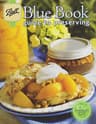 Ball Blue Book Guide to PreservingThe cheap, thin one that has been in kitchens for a century, and the one to buy first. Every recipe in it is tested, which is the only property that matters — a canning recipe is a validated process, not a suggestion. | The first book to own | Tested recipes, cheap | $29.99 · View on Amazon#ad we earn a commission · price as of October 18, 2026 |
| 2 | Ball Complete Book of Home PreservingThe bigger reference: several hundred tested recipes across canning, pickling and preserving, with more explanation of why a process is what it is. Buy it second, once you know you are going to keep doing this. | The one to grow into | The larger reference | Check price on Amazon#ad we earn a commission · live price pending |
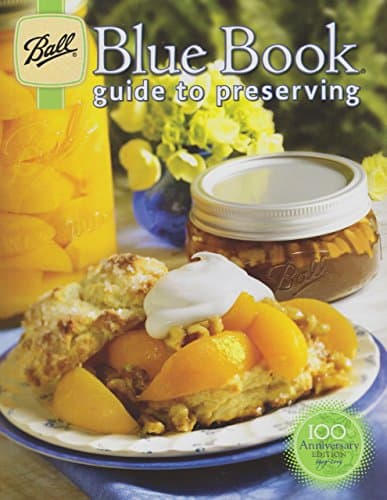
Ball Blue Book Guide to Preserving
The cheap, thin one that has been in kitchens for a century, and the one to buy first. Every recipe in it is tested, which is the only property that matters — a canning recipe is a validated process, not a suggestion.
Published specs
- Publisher
- Ball / Newell Brands
- Content
- Tested water bath and pressure canning recipes
- Why it matters
- A tested source you can hold while your hands are wet
What works
- Tested recipes, which is the entire point of buying a canning book rather than reading a blog
- Cheap enough to buy alongside your first case of jars without thinking about it
- Compact and spill-tolerant in a way a laptop on a counter is not
What to know first
- Recipe range is narrower than the bigger books — this is a foundation, not a library
- Editions change; a very old copy may predate current guidance and should be cross-checked against the NCHFP
- Not a technique manual. It tells you what to do, less about why
Specs from NCHFP, Recommended Canners. We have not handled this product — see how we pick.
Ball Complete Book of Home Preserving
The bigger reference: several hundred tested recipes across canning, pickling and preserving, with more explanation of why a process is what it is. Buy it second, once you know you are going to keep doing this.
Published specs
- Publisher
- Ball / Robert Rose
- Content
- Tested recipes across canning, pickling and preserving
- Depth
- More background on process and technique than the Blue Book
What works
- Wide enough that you stop searching the internet for recipes, which is the real safety win
- Explains the reasoning behind acidification and processing times rather than only listing them
- Hardback and heavy, which is exactly what you want in a book that stays open on a counter
What to know first
- More book than a first season needs, and more money
- Its size makes it a reference rather than something you skim
- Overlaps heavily with the Blue Book if you already own that
Specs from NCHFP, Recommended Canners. We have not handled this product — see how we pick.
The free source you should also have
The USDA Complete Guide to Home Canning is published by the National Center for Home Food Preservation and is free online. It is the underlying source that most tested recipes trace back to, and it is the thing to check when a book, a blog and a family recipe disagree.
Your state's extension service is the other free source worth bookmarking. Extension publications are tested, they are written for home cooks, and they are often specific to conditions where you live — including altitude.
Which to buy first
The Blue Book, then the Complete Book if you keep going. The Blue Book is cheap, compact, tested, and covers the ground a first season actually needs. The Complete Book is the one to grow into: broader, more explanation of why the processes are what they are, and heavy enough to stay open on a counter.
Old editions
Guidance changes. Old canning books recommend practices that are no longer considered safe — open kettle canning, paraffin seals on jams, oven canning, water bathing low-acid vegetables. A vintage Blue Book is a lovely object and a poor instruction manual. It is also the gift question, which is what to get someone who cans.
If you are using an inherited book, cross-check its processing times against the NCHFP before you rely on them. That is not paranoia; it is the same habit taught in how to find safe canning recipes.
Next stepHow to judge any recipe you findCommon questions
What is the best canning book for beginners?
Do I need a canning book if recipes are online?
Are old canning books safe to use?
What is the difference between the Ball Blue Book and the Complete Book?
How can I tell if a recipe has been tested?
Sources
Product specifications are taken from each manufacturer’s own published page, cited on the product. We have not handled these products — how we pick.