What can you water bath can?
The list of what a boiling water bath makes safe, the list of what it never will, and the borderline case that catches everyone.
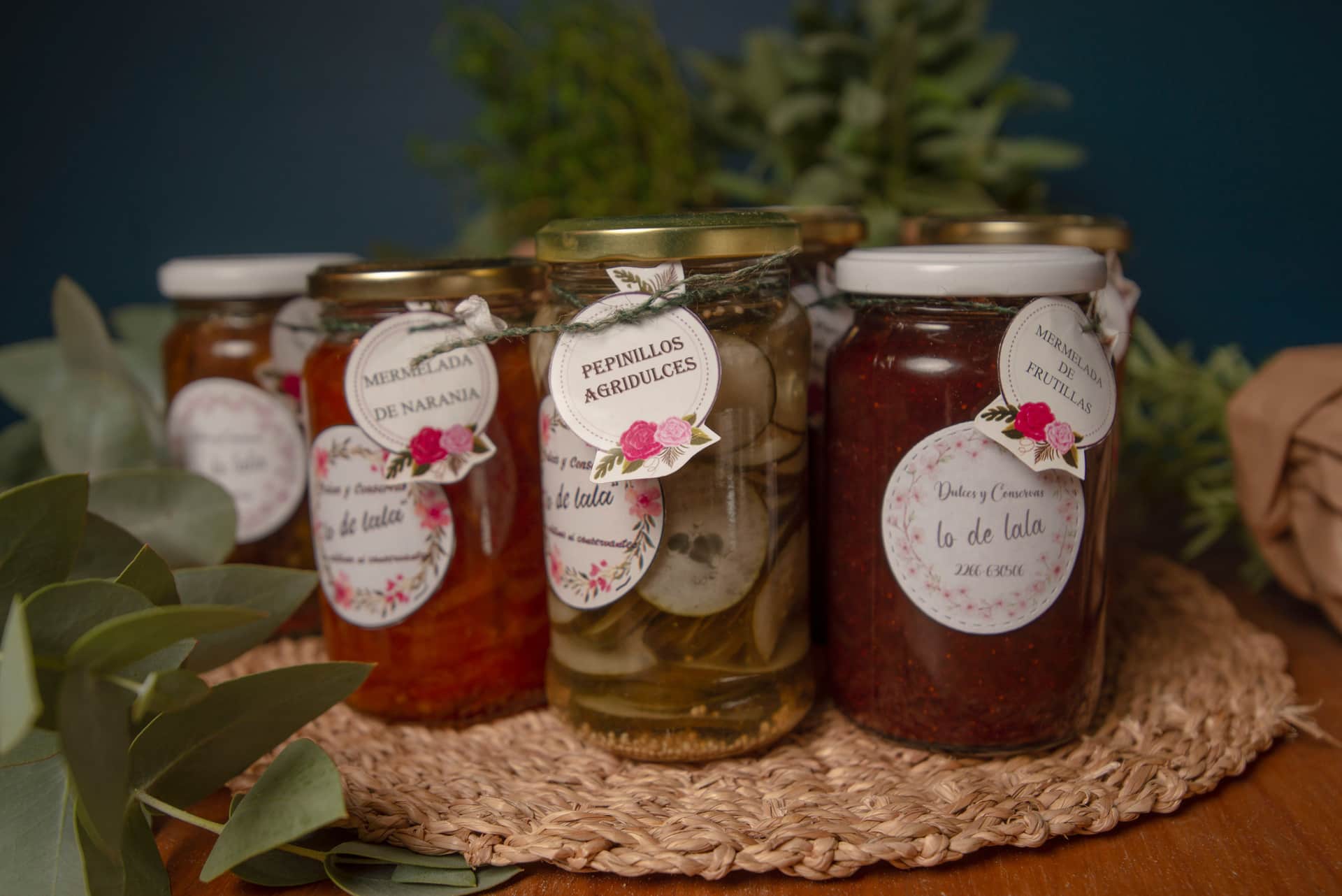
You can water bath can high-acid foods with a pH of 4.6 or below: jams, jellies, marmalades, fruit butters, most whole and sliced fruit, pickles and relishes made with vinegar, chutneys, tested salsas, and tomatoes that have been acidified with bottled lemon juice or citric acid. You cannot water bath can any low-acid food. Which of them are actually worth the jar is a separate question: best foods for canning.
The list: safe in a water bath
- Jams, jellies, preserves, marmalades and conserves — sugar and fruit acid, the most forgiving category in canning.
- Fruit butters — apple, pear, plum. Thick, but tested recipes exist for exactly this consistency.
- Whole and sliced fruit in syrup, juice or water — peaches, pears, plums, apples, cherries, apricots, berries.
- Apple sauce and other fruit sauces from a tested recipe.
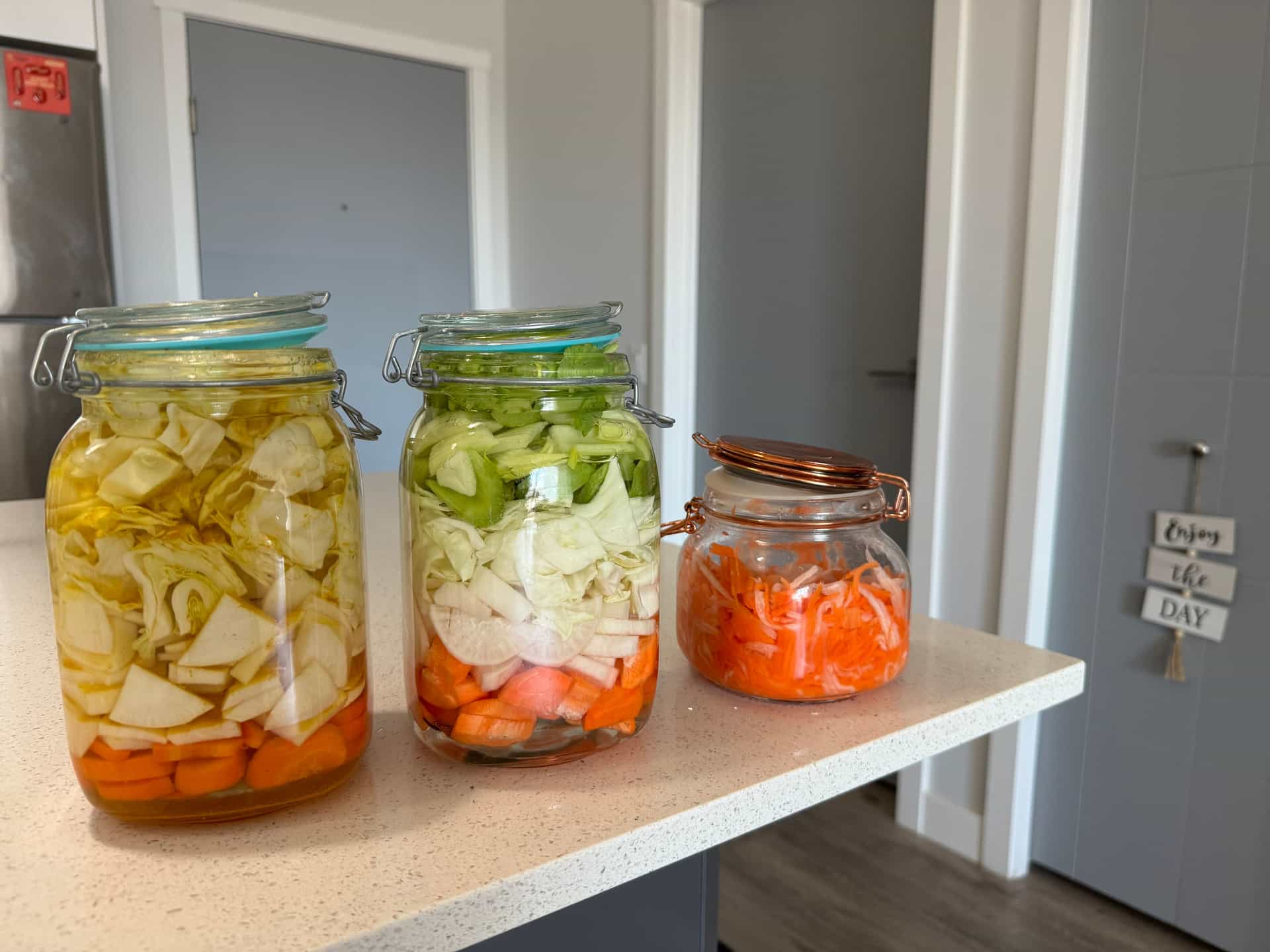
- Pickles made with vinegar — cucumbers, beets, green beans as dilly beans, okra, carrots. The vinegar is what makes these safe, not the vegetable, and it has to be 5% acidity.
- Relishes, chutneys and pickled peppers from tested recipes.
- Salsa from a tested canning recipe — not a fresh salsa recipe, which has a different ratio. A pre-measured mix is one way to get that ratio right.
- Tomatoes and tomato products, acidified with bottled lemon juice or citric acid in the amount the recipe specifies.
- Juices — tomato, grape, apple, from tested recipes. A steam juicer extracts fruit juice in volume, but the jars still need processing.
- Pie fillings made with a tested recipe and Clear Jel, which is formulated for canning — cornstarch and flour are not substitutes in a jar.
The list: never in a water bath
These are low-acid, and no water bath time makes them safe. They require a pressure canner. This is not a caution, it is the boundary the whole method sits behind.
- Green beans, including as a plain packed vegetable. Pickled dilly beans are a different food and are fine.
- Corn, in every form.
- Carrots, potatoes, beets, peas, squash, pumpkin, asparagus — plain packed. Pickled versions from tested recipes are fine.
- Meat, poultry, fish and seafood, in every form.
- Stock, broth, soups and stews.
- Beans and legumes, dried or fresh.
- Plain tomatoes with no added acid.
- Any mixed dish containing a low-acid ingredient — a salsa with too much onion for its acid, a soup, a sauce with meat.
Why acidity is the whole rule
Boiling water reaches 212°F at sea level and no higher. Clostridium botulinum spores survive that comfortably. What stops them causing harm in a jar of jam is not the heat — it is that below pH 4.6 the spores cannot germinate into the bacteria that produce toxin. The boiling water is dealing with molds, yeasts and spoilage bacteria and driving the air out to form a seal.
Take the acid away and there is nothing stopping germination in the anaerobic environment of a sealed jar. That is why the pressure canner exists: about 240°F is what destroys the spores themselves. The mechanism is set out in botulism and home canning, and SDSU Extension covers the same ground in its water bathing vs pressure canning guidance.
Tomatoes: the borderline case
Tomatoes are the food that generates the most confusion, and for a legitimate reason: they sit right at the boundary. Modern varieties hover close to pH 4.6 and vary by variety, ripeness and growing conditions, so they cannot be assumed acidic enough on their own.
Tested recipes therefore require added acid — a specified amount of bottled lemon juice or citric acid per jar — which brings them reliably below 4.6 and makes water bath processing safe. Bottled lemon juice specifically, because its acidity is standardized and a fresh lemon's is not. Skip the acid and tomatoes become a pressure-canning food.
| Food | Water bath? | Condition |
|---|---|---|
| Strawberry jam | Yes | Tested recipe |
| Peach halves in syrup | Yes | Tested recipe |
| Dill pickles | Yes | Vinegar brine, tested recipe |
| Dilly beans | Yes | Vinegar brine, tested recipe |
| Crushed tomatoes | Yes | Only with added bottled lemon juice or citric acid |
| Salsa | Yes | Only from a tested canning recipe — ratios matter |
| Plain green beans | No | Pressure canner only |
| Corn | No | Pressure canner only |
| Chicken stock | No | Pressure canner only |
| Pumpkin puree | No | Not recommended in any home method — can it cubed, pressure canned |
The things that are not safe in any home canner
A short list worth knowing, because they come up constantly. Pureed pumpkin or winter squash is not recommended for home canning in any method — the density prevents reliable heat penetration, and the tested route is cubes in a pressure canner. Dairy, eggs, and thickened or floured sauces are likewise outside home canning guidance. Pesto and butter belong in a freezer.
Next stepHow to actually run the batchCommon questions
Can you water bath can green beans?
Can you water bath can tomatoes?
Why can I water bath pickled beets but not plain beets?
Can you water bath can salsa?
Is it safe to water bath for longer to compensate?
Can I water bath can pumpkin?
Sources
- NCHFP — Recommended Canners
- National Center for Home Food Preservation
- SDSU Extension — Water Bathing vs Pressure Canning
Product specifications are taken from each manufacturer’s own published page, cited on the product. We have not handled these products — how we pick.