Can you reuse canning lids?
No for canning, and yes for a short list of things that are not canning. The distinction matters.
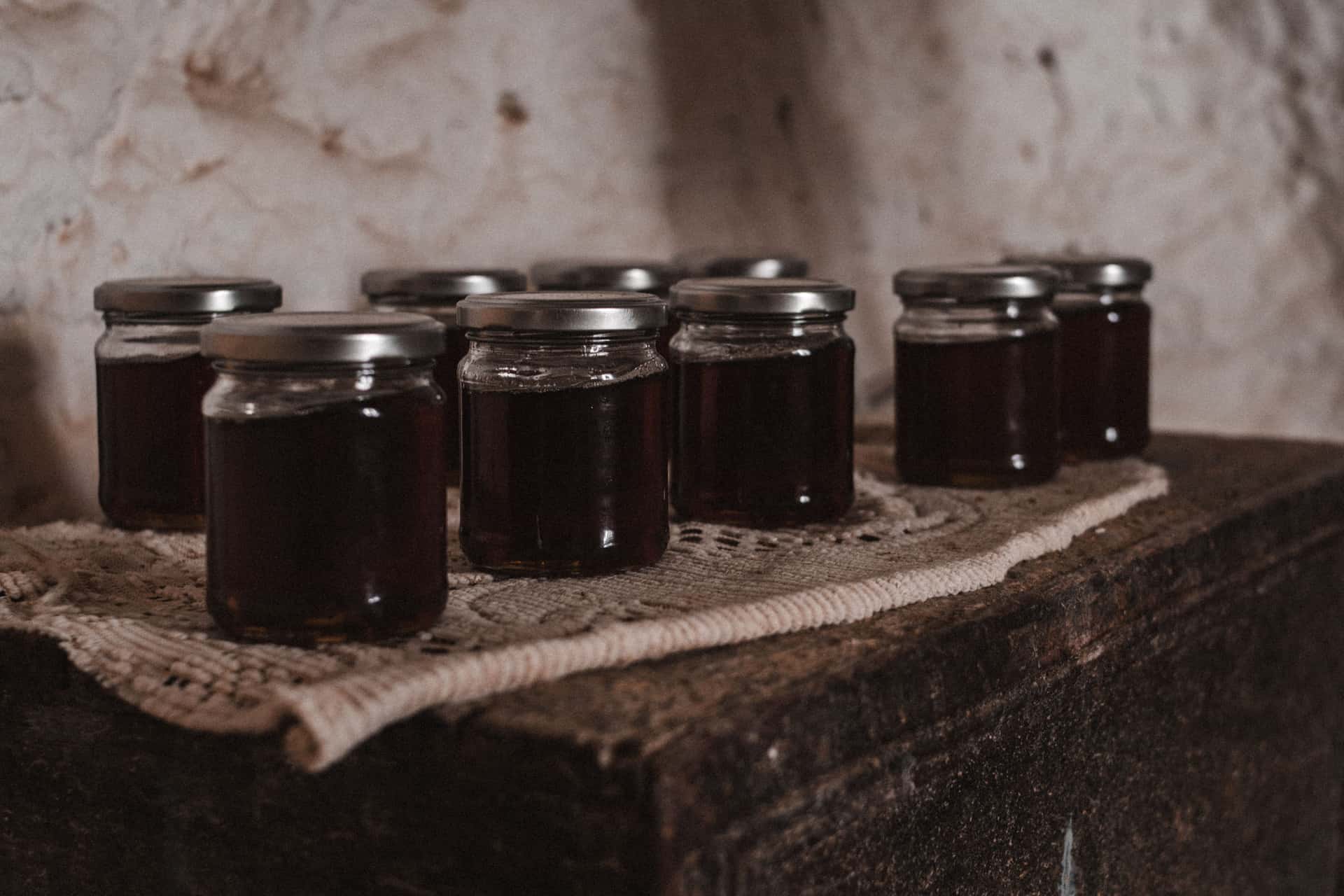
No — flat metal canning lids are single-use for canning. The sealing compound is designed to compress once against a jar rim, and a reused lid may appear to seal and then release weeks later on the shelf. Screw bands and jars are reusable indefinitely; only the flat lid is a consumable. Systems built around a reusable seal instead are covered in reusable canning lids and Weck jars vs Mason jars.
Why once is the design
The ring of sealing compound on the underside of a flat lid softens with the heat of processing and molds itself to the exact surface of the rim it is sitting on — every imperfection, every variation in that specific jar. Then it sets, and it holds that shape.
On a second use it is being asked to conform again from a shape it has already taken. Sometimes it does. Sometimes it forms a weak seal that holds for a while and then releases. That is the problem: not that reuse always fails, but that when it fails it does so silently and later, once the jar is on a shelf and you have stopped thinking about it.
What you can reuse
| Part | Reusable? | Notes |
|---|---|---|
| The glass jar | Yes, indefinitely | Check the sealing rim for chips before every use |
| The screw band | Yes, for years | Discard if bent, rusted or no longer round |
| The flat metal lid | No, not for canning | Single-use by design |
| Reusable plastic lid systems | Yes, that is their purpose | Different technique — see reusable canning lids |
What used flat lids are genuinely fine for
Do not throw them straight out. They are fine for anything that does not depend on a shelf-stable vacuum seal.
- Freezer jam and refrigerator preserves. These are not processed and not shelf stable, so the lid is a lid, not a seal.
- Dry storage — beans, rice, pasta, spices in a cupboard.
- Leftovers in the fridge.
- Storing your own non-food items. Screws, buttons, seeds.
- Transporting food for a day or two.
The rule is simple: if the jar is going in a fridge, a freezer or a cupboard as dry storage, a used lid is fine. If the jar is going through a canner and then onto a shelf, it needs a new one.
The vacuum sealing question
People ask whether a used lid is acceptable with a vacuum sealer's jar attachment. For dry goods you are storing in a cupboard, a used lid is doing an ordinary lid's job and it is fine. What is not fine is treating vacuum sealing as a substitute for canning: a vacuum-sealed jar of fresh food has not been processed, and removing oxygen creates exactly the conditions botulism prefers. See canning vs other preserving methods.
How to tell a lid has been used
Look at the sealing compound. A used lid carries a visible impression of a jar rim — a clean circular indentation pressed into the ring. New lids have an even, unmarked band of compound. If you have mixed a drawer of new and used lids together, the indentation is how you sort them, and if you are unsure about one, treat it as used.
If you want to stop buying lids
There is a legitimate route, and it is not reusing metal lids. Reusable plastic lid systems are designed for exactly this and they work — with a different technique and a real learning curve. The honest version of that trade-off is in reusable canning lids.
Next stepHow to check a seal properlyCommon questions
Can you use canning lids more than once?
Can I reuse canning lids for freezer jam?
Can I reuse the screw bands?
How can I tell if a lid has been used?
Can I reuse a lid if the jar never sealed?
Are there lids designed to be reused?
Sources
Product specifications are taken from each manufacturer’s own published page, cited on the product. We have not handled these products — how we pick.