Canning vs freezing, drying and vacuum sealing
Four ways to deal with a full counter. Canning wins on some of them and loses badly on others, and it is worth knowing which is which.
Disclosure: we earn a commission on purchases made through links on this page, at no extra cost to you. It does not change what we recommend — see how we pick and our affiliate disclosure.
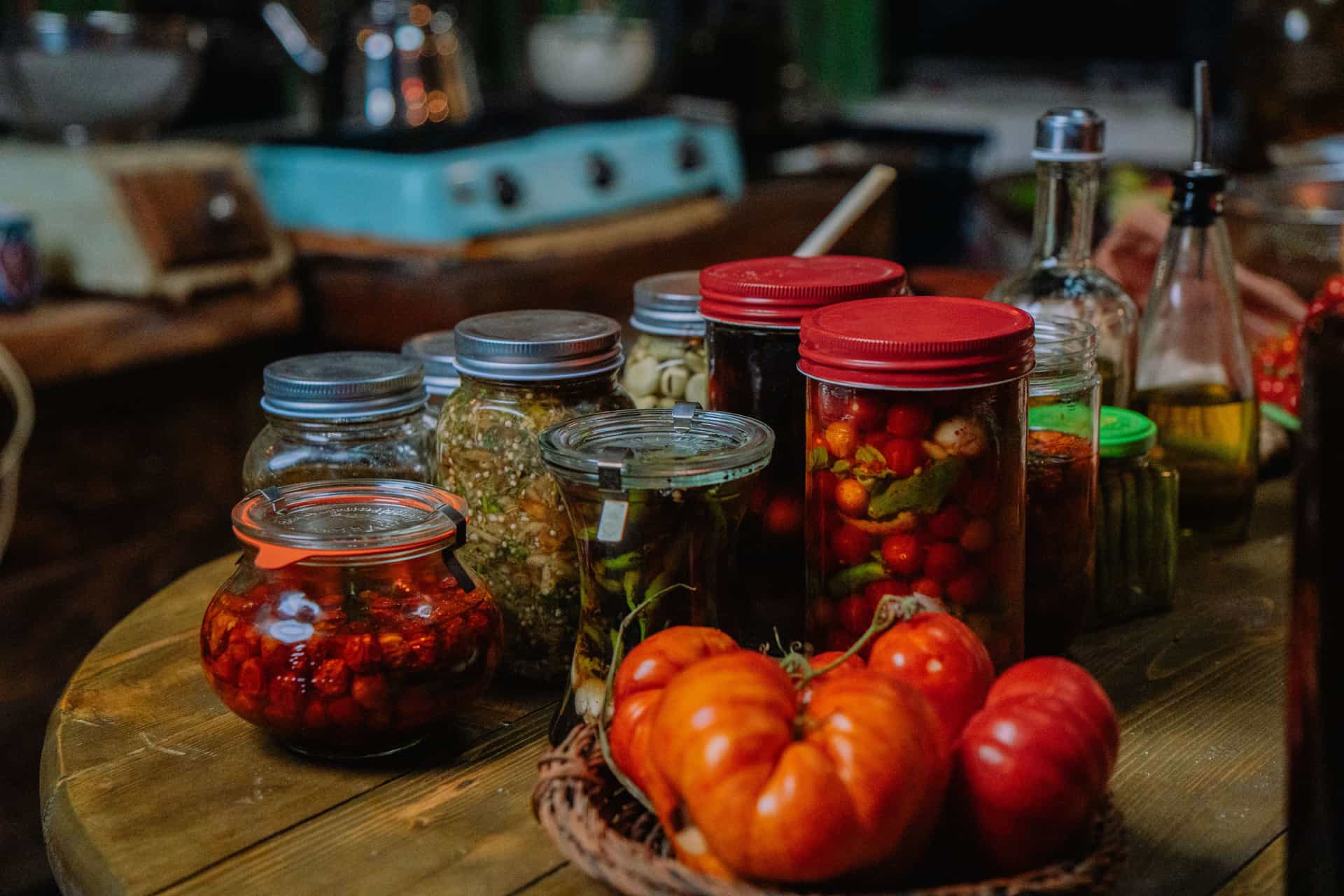
Canning stores food at room temperature for years with no running cost, but it cooks the food and takes the most work up front. Freezing is faster and better for texture but depends on power and space, and on using jars that are rated for it. Dehydrating is compact and shelf-stable but changes the food most. Vacuum sealing extends life but is not a preservation method on its own.
The honest answer to "should I can this?" is often no. Canning is the best method for some foods and a poor one for others, and choosing it by default is how people end up with a shelf of mushy green beans they do not eat. Here is the comparison, before you commit a weekend.
The comparison table
| Canning | Freezing | Dehydrating | Vacuum sealing | |
|---|---|---|---|---|
| Shelf life | Years, at room temperature | Months to about a year, powered | Months to years, dry storage | Extends the life of whatever method you used |
| Needs power to store | No | Yes, continuously | No | Depends on the food |
| Up-front equipment | Canner, jars, lids | A freezer | A dehydrator or oven | A sealer and bags |
| Running cost | Lids only | Electricity, always | Electricity while drying | Bags, continuously |
| Effect on the food | Fully cooked. Texture softens | Closest to fresh, if frozen fast | Changes texture completely | None on its own |
| Effort per batch | Highest | Lowest | Medium, mostly waiting | Low |
| Risk if done wrong | Serious, if the method is wrong for the food | Quality loss | Mold if not dry enough | Can hide spoilage — see below |
| Best for | Jam, pickles, tomatoes, fruit, beans, stock | Berries, corn, greens, meat, ready meals | Herbs, apple rings, jerky, mushrooms | Dry goods, freezer storage |
Canning vs freezing
Freezing is easier and keeps food closer to fresh, which is why it wins for berries, corn, peas, greens and anything you want to taste like itself. Canning wins on independence: a canned jar survives a power cut, a house move and a full freezer, and costs nothing to store.
The practical split most people land on is that soft fruit, greens and anything they want in a stir fry gets frozen, while jam, pickles, tomatoes, stock and beans get canned. That is not a rule, it is just what the two methods are good at.
Canning vs dehydrating
Dehydrating wins hard on storage space — a bushel of apples becomes a couple of jars of rings — and the results keep well without power. It also transforms the food more than any other method, so it is best where the transformation is the point: herbs, jerky, apple rings, dried mushrooms, tomato slices for winter.
It does not replace canning for anything you want to open and eat as-is. Rehydrated food is not the same food. Where the two overlap is the fruit-leather-versus-jam decision, and that is genuinely a taste question.
Canning vs fermenting
Fermenting is the oldest of these methods and produces the most distinctive results — sauerkraut, kimchi, genuinely sour dill pickles. It uses salt and time rather than heat, so it retains texture in a way canning cannot, and the live cultures are the appeal. The trade is that a finished ferment usually lives in the fridge rather than on a shelf, and canning it to make it shelf-stable kills the cultures you fermented it for. It also needs almost no new equipment — see can you ferment in canning jars.
Vacuum sealing is not preservation
This is the one worth being blunt about. A vacuum sealer removes air, which slows oxidation and freezer burn. It does not make food shelf-stable, and it does not stop the organisms that matter most. What a mason jar vacuum sealer is genuinely good for is a separate page. Removing oxygen creates exactly the conditions Clostridium botulinum prefers, which is why vacuum-sealed fresh food belongs in a fridge or freezer, not a cupboard.
What we would do with a full counter
- Peaches, plums, apples: can them. High-acid, straightforward, and the jars are genuinely lovely.
- Tomatoes: can them, acidified with bottled lemon juice per a tested recipe, or freeze them whole if you are short of time.
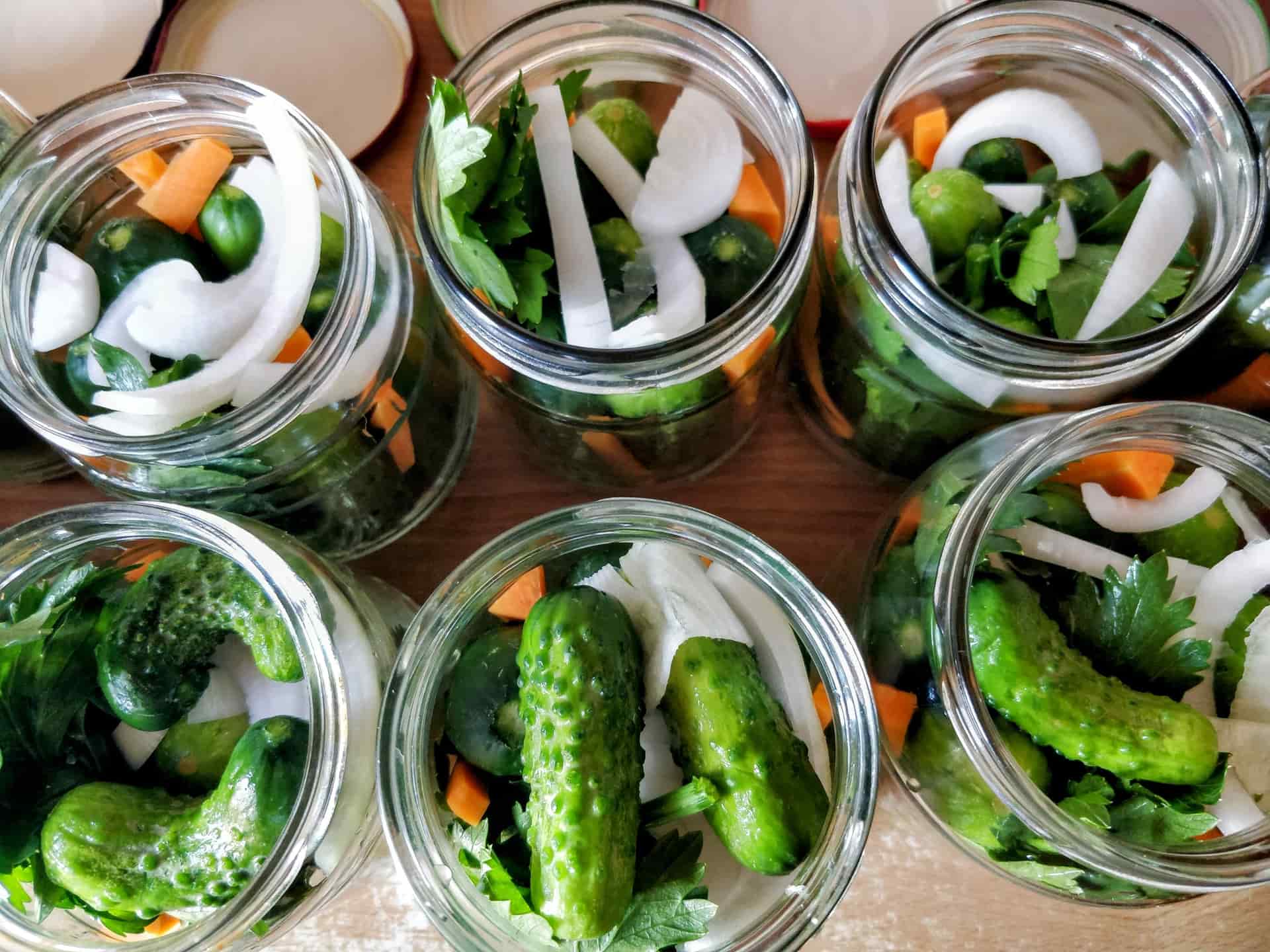
- Cucumbers: pickle and can, or ferment. Freezing does nothing good for a cucumber.
- Green beans, corn: freeze unless you own a pressure canner. Canning them requires one.
- Herbs: dry them. Canning herbs is not a thing and freezing them in oil is better than either.
- Berries: freeze, unless you are making jam, in which case can it.
Common questions
Is canning cheaper than freezing?
Can I vacuum seal jars instead of canning them?
Which method keeps the most nutrients?
Can I ferment and then can to make it shelf stable?
What is the least work for a big harvest?
Sources
Product specifications are taken from each manufacturer’s own published page, cited on the product. We have not handled these products — how we pick.