The best pickling spice
The one ingredient in a tested pickle recipe you are allowed to play with — and the one blend format that keeps the brine clear.
Disclosure: we earn a commission on purchases made through links on this page, at no extra cost to you. It does not change what we recommend — see how we pick and our affiliate disclosure.
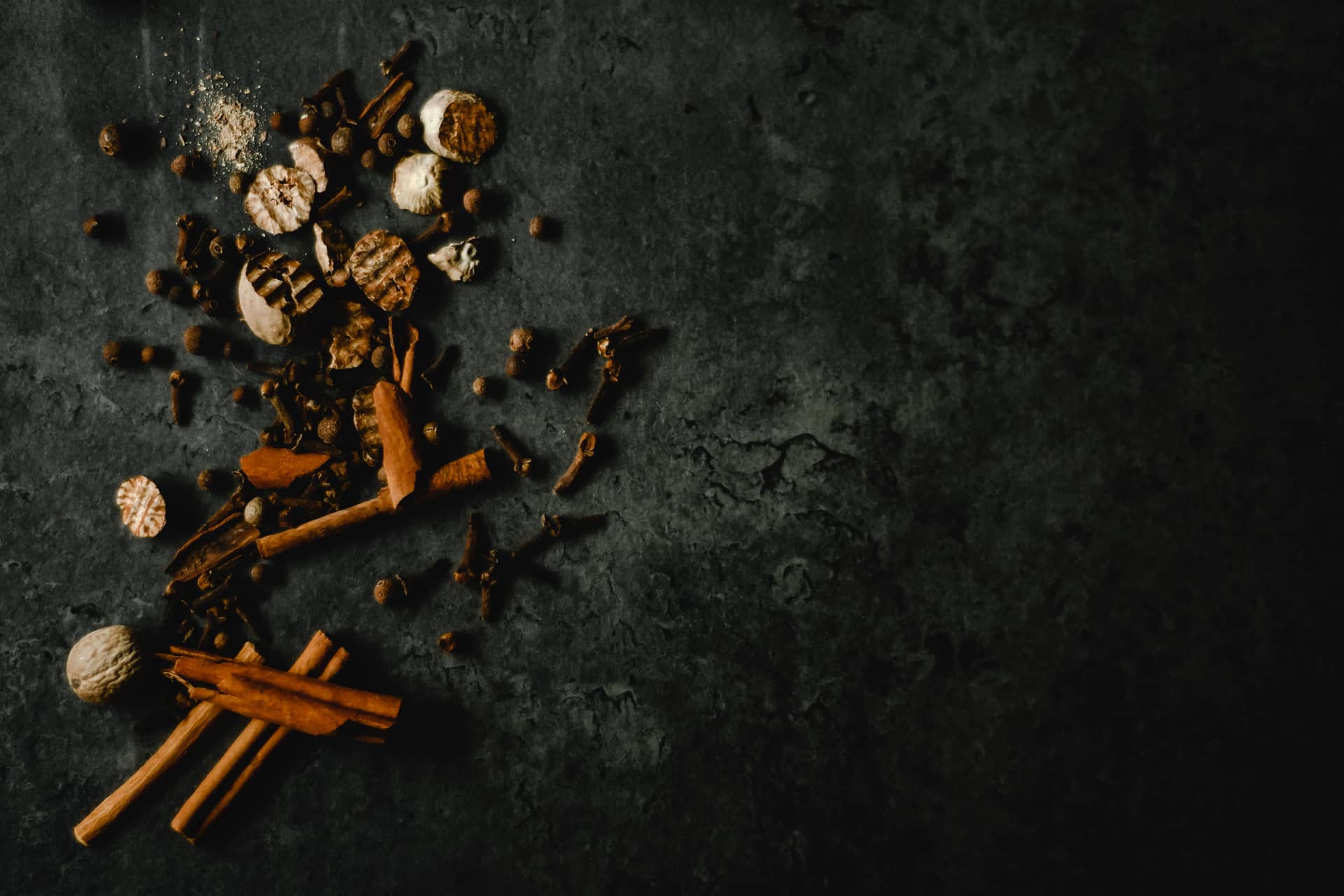
Buy a whole-spice pickling blend rather than a ground one: extension services warn that powdered spices darken pickles and cloud the brine. Tie the spice loosely in cheesecloth and lift it out before packing. Spices are also the one part of a tested pickle recipe you may safely change — the vinegar, water and produce amounts are not.
Pickling spice is the cheapest ingredient on a canning day and the one with the most latitude. Every other quantity in a tested recipe is fixed by acidity arithmetic. The spice jar is where your pickles get to taste like yours.
What you are choosing between is a handful of whole spices in slightly different proportions, and the differences that actually matter are narrower than the shelf suggests: what is in the blend, whether it is whole or ground, and how much of it you are stuck with.
Spices are the part you are allowed to change
This is worth stating before anything else, because it is the reason this page exists. Penn State Extension's guide to what can be changed in a canning recipe puts it in the permitted column: "The types and amounts of dried spices and herbs may be changed, but do not add extra fresh herbs to recipes." Iowa State Extension is blunter: "Spices are the only safe ingredient you may change in a tested recipe to adjust for flavor."
The fresh-herb exception matters. Dried spice is inert in acid terms; fresh garlic, fresh dill heads and fresh peppers are low-acid produce, and adding them changes the balance the recipe was tested at. Dried, more. Fresh, no.
Whole, not ground
Clemson Extension: "Use fresh whole spices for the best quality and flavor in pickles. Powdered spices may cause the product to darken and become cloudy." Ohio State says the same, and adds the method: "To reduce darkening, tie whole spices loosely in a clean white cloth or cheesecloth bag, then remove the bag from the pickling solution before packing the jars."
The NCHFP's troubleshooting table for pickled foods lists "Ground spices used" and "Spices left in jars of pickles" among the causes of dark or discolored pickles, alongside hard water and iodized salt. Cloudiness matters beyond appearance: a cloudy brine is also what spoilage looks like, so a jar that clouded for a harmless reason has cost you a diagnostic signal.
How we screened these
We have not run a taste panel, and a taste panel on spice blends would tell you about our palates rather than your pickles. What we checked is which makers publish an actual ingredient list, what form the spice comes in, and whether there is any published guidance on how much to use. The method is on how we pick.
- A published ingredient list. "Spices" on a label tells you nothing. Three brands publish the full blend; several do not.
- Whole spice, not ground, for the reasons above.
- A stated dosing rate, because recipes routinely say "pickling spice" with no amount attached.
- A size you will finish inside a year, since spice fades and faded spice makes dull, cloudy pickles.
- What is actually in it. Dill and celery seed pull toward cucumber pickles; cinnamon, allspice and mace pull toward spiced fruit.
The three blends, side by side
| Frontier Co-op | McCormick Culinary | Badia Extra Fancy | |
|---|---|---|---|
| Size | 1 lb | 12 oz | 13 oz |
| Dill seed | Yes | No | Yes |
| Celery seed | Yes | No | No |
| Cinnamon and allspice | Yes | Yes | Yes |
| Mace and cardamom | No | Yes | No |
| Published dose | 1 Tbsp per 3-5 lb cucumbers | Not published | Not published |
| Certifications | Organic, kosher | Kosher | Kosher, halal, gluten free |
The pattern in that table is the useful part. Frontier's blend, with dill and celery seed, is the closest to what most people picture as a dill pickle. McCormick's, with mace and cardamom, leans toward the older English pickling tradition that also seasons spiced fruit and corned beef. Badia sits between them.
Quick picks
Every pick below is screened against the National Center for Home Food Preservation’s published canner rules first. Tap a row for the full write-up.
| # | Product | Best for | Key spec | Price |
|---|---|---|---|---|
| 1 |  Frontier Co-op Organic Pickling Spice, 1 lbThe only blend of these three whose maker publishes a dosing rate — Frontier says to use 1 tablespoon per 3 to 5 pounds of pickling cucumbers — and the one that leans dill and celery seed rather than cinnamon. Certified organic, kosher, and sold in a pound bag that costs less per ounce than the supermarket jars. | Organic, and a dosing rate | Organic, dill and celery seed | $24.19 · View on Amazon#ad we earn a commission · price as of October 18, 2026 |
| 2 |  McCormick Culinary Pickling Spice, 12 ozThe blend most American pickle recipes were written around, in a tub big enough for a real pickling season. McCormick publishes the ingredient list for its Culinary pickling spice, which is more than most brands do, and the blend is whole spice rather than ground — the form extension services recommend for clear brine. | A whole season in one tub | 12 oz, whole spices | $23.98 · View on Amazon#ad we earn a commission · price as of October 18, 2026 |
| 3 |  Badia Extra Fancy Pickling Spice, 13 ozA published ingredient list, dill seed in the mix, and a price per ounce that sits below the supermarket jars. Badia's blend is closest to McCormick's in character but adds dill seed and drops the mace and cardamom, which suits cucumber pickles more than it suits spiced fruit. | Value, with dill in the blend | 13 oz, dill seed included | |
| 4 | Ground or powdered pickling blendsSkipGround spice does two unhelpful things in a pickle jar: it darkens the product and it clouds the brine, and once it is in there it cannot be lifted back out. Clemson Extension puts it plainly — "Powdered spices may cause the product to darken and become cloudy" — and the NCHFP lists "Ground spices used" among the causes of dark pickles. | Nothing - buy whole spice | Clouds and darkens the jar | Check price on Amazon#ad we earn a commission · live price pending |
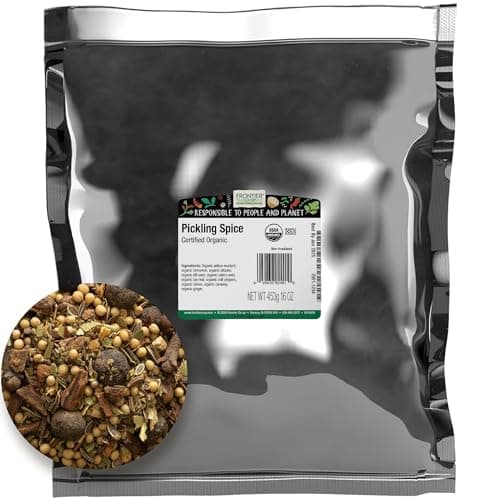
Frontier Co-op Organic Pickling Spice, 1 lb
The only blend of these three whose maker publishes a dosing rate — Frontier says to use 1 tablespoon per 3 to 5 pounds of pickling cucumbers — and the one that leans dill and celery seed rather than cinnamon. Certified organic, kosher, and sold in a pound bag that costs less per ounce than the supermarket jars.
Published specs
- Size
- 1 lb bag
- Ingredients
- Organic yellow mustard, cinnamon, allspice, dill seed, celery seed, bay leaf, chili peppers, cloves, caraway, ginger (Frontier)
- Dosing
- 1 Tbsp per 3-5 lb of pickling cucumbers (Frontier)
- Claims
- Organic, kosher, non-irradiated, no artificial ingredients (Frontier)
What works
- Frontier publishes a use rate, which is genuinely useful when a recipe says "pickling spice" and gives no amount
- Dill and celery seed in the blend make it the closest of the three to a classic dill profile
- Organic and kosher certified, and the pound bag is the cheapest per ounce of our picks
What to know first
- A pound of spice is far more than one household will use in a year, and old spice makes dull, cloudy pickles
- Bag packaging is poor for keeping spice fresh — decant into a sealed jar the day it arrives
- The organic premium buys certification, not a better pickle
Specs from Frontier Co-op, Pickling Spice, Organic, Clemson Cooperative Extension, Pickle Basics. We have not handled this product — see how we pick.
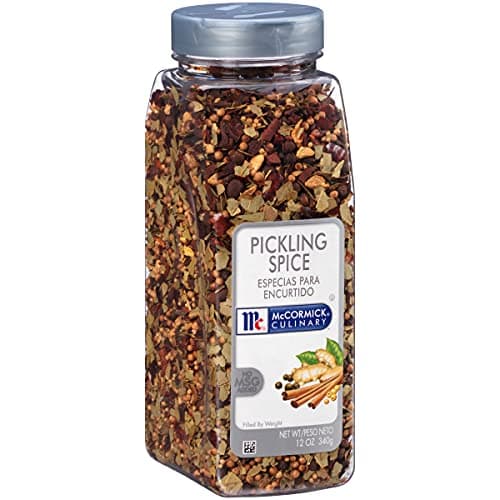
McCormick Culinary Pickling Spice, 12 oz
The blend most American pickle recipes were written around, in a tub big enough for a real pickling season. McCormick publishes the ingredient list for its Culinary pickling spice, which is more than most brands do, and the blend is whole spice rather than ground — the form extension services recommend for clear brine.
Published specs
- Size
- 12 oz tub (Culinary line)
- Ingredients
- Cinnamon, allspice, mustard seed, coriander, bay leaves, ginger, chillies, cloves, black pepper, mace, cardamom, sulfiting agents (McCormick, Culinary line)
- Form
- Whole and broken spices, not ground
- Claims
- Kosher certified; vegan, no MSG (McCormick)
What works
- A published ingredient list, which makes it possible to know what is actually going in the brine
- Whole spice: extension services recommend whole over powdered because ground spice darkens and clouds pickles
- 12 oz is a season's worth for most households, and the tub keeps better than a paper packet
What to know first
- Contains sulfiting agents, which matters if anyone at your table avoids sulfites
- It is a bigger commitment than a supermarket jar, and spices lose punch with age — extension advice is to buy what you will use within a year
- The blend leans cinnamon and allspice, which is not what you want in a dill crock
Specs from McCormick, Culinary Pickling Spice, Clemson Cooperative Extension, Pickle Basics. We have not handled this product — see how we pick.
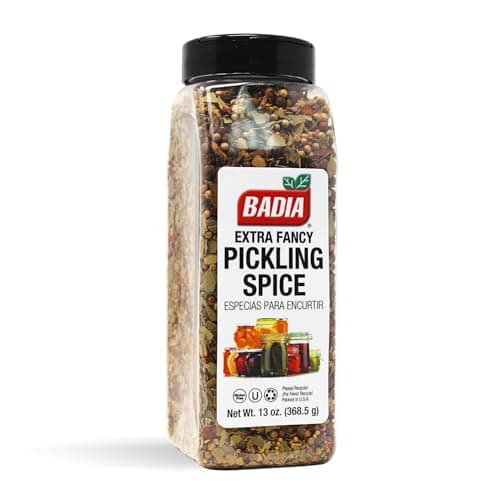
Badia Extra Fancy Pickling Spice, 13 oz
A published ingredient list, dill seed in the mix, and a price per ounce that sits below the supermarket jars. Badia's blend is closest to McCormick's in character but adds dill seed and drops the mace and cardamom, which suits cucumber pickles more than it suits spiced fruit.
Published specs
- Size
- 13 oz
- Ingredients
- Cinnamon, coriander seed, mustard seed, allspice, bay leaves, ginger, dill seeds, cloves, red pepper, black pepper (Badia)
- Form
- Whole spices
- Claims
- Gluten free, kosher, halal, no MSG, sodium free (Badia)
What works
- Dill seed and red pepper in the published blend, which is the direction most cucumber pickles want
- Among the lowest cost per ounce of any brand publishing its ingredients
- Whole spice, so it ties into a cheesecloth bag cleanly and can be lifted back out
What to know first
- 13 oz is a lot of spice for an occasional pickler, with the same freshness problem as any bulk blend
- No published dosing rate, so you are relying on the recipe to tell you how much
- Badia's page does not publish a net weight for this SKU consistently across sizes — check the listing you are buying
Specs from Badia Spices, Extra Fancy Pickling Spice, Clemson Cooperative Extension, Pickle Basics. We have not handled this product — see how we pick.
Ground or powdered pickling blends
Ground spice does two unhelpful things in a pickle jar: it darkens the product and it clouds the brine, and once it is in there it cannot be lifted back out. Clemson Extension puts it plainly — "Powdered spices may cause the product to darken and become cloudy" — and the NCHFP lists "Ground spices used" among the causes of dark pickles.
Published specs
- The problem
- Powdered spice darkens the product and clouds the brine (Clemson)
- NCHFP troubleshooting
- "Ground spices used" and "Spices left in jars of pickles" are listed causes of dark or discolored pickles
- The fix
- Whole spice, tied loosely in a clean cloth or cheesecloth bag and removed before packing
What works
- Ground spice dissolves quickly, which is an advantage in a marinade and a liability in a jar meant to sit on a shelf for a year
What to know first
- Cloudy brine is indistinguishable at a glance from the cloudiness that signals spoilage, so it costs you a diagnostic cue
- Darkened pickles are a cosmetic loss you cannot undo
- You cannot remove ground spice from the jar, where a cheesecloth bag lifts straight out when the flavor is right
Specs from Clemson Cooperative Extension, Pickle Basics, NCHFP, General Information on Pickling. We have not handled this product — see how we pick.
How much to use when the recipe does not say
This is a real gap in older recipes, which often say "1 tablespoon pickling spice" without saying per what, or just "pickling spice to taste". Frontier publishes a rate — 1 tablespoon per 3 to 5 pounds of pickling cucumbers — which is the only manufacturer figure among our picks and a reasonable place to start with any of them.
Two practical notes. Spice strength is not a safety variable, so erring low and adjusting next batch costs you nothing but a slightly plain pickle. And the flavor keeps developing in the jar for weeks after processing, so judging a batch on the day you make it will mislead you in the direction of adding more.
The cheesecloth bag, and when to pull it
Tie the spice loosely — loosely matters, because the brine has to circulate through it — in cheesecloth or a clean white cloth, simmer it in the pickling liquid, and remove the bag before packing the jars. Penn State's quick-process directions are the same: "Put spices in cheesecloth bag and add to vinegar mixture."
Leaving whole spice loose in the jar looks beautiful and is the other item on the NCHFP's dark-pickle list. If you want the look, a single dill head or one dried chili per jar is the usual compromise; a tablespoon of mixed whole spice per jar is how you get brown pickles. Grade 90 cheesecloth, the same stuff worth owning for jelly bags, is what to tie it in.
What pickling spice cannot do
It cannot fix a soft pickle, which is a firmness problem handled by fresh cucumbers, trimmed blossom ends, and calcium chloride if you want it — that is in canning additives and firming agents. It cannot compensate for the wrong vinegar, which is in the best vinegar for pickling. And it cannot substitute for the salt in a fermented pickle, where salt is doing preservation work.
What it can do is make two jars from the same tested recipe taste like different pickles, which is the whole reason a spice shelf exists.
The decision, in one paragraph
If you are pickling cucumbers, buy Frontier Co-op for its dill and celery seed and the published dosing rate, and decant the bag into a jar the day it arrives. If your pickling runs to spiced fruit, corned beef and old English-style recipes as well, buy McCormick Culinary for the mace and cardamom. If you want the lowest cost per ounce from a brand that still publishes its blend, buy Badia. Whichever you choose, buy whole spice, tie it in cloth, and take it out before the jars go in the canner.
Next stepThe other half of the brineCommon questions
What is in pickling spice?
Can I change the spices in a tested pickle recipe?
Should pickling spice be whole or ground?
How much pickling spice per quart of pickles?
Can I leave the spices in the jar?
Does pickling spice expire?
Can I make my own pickling spice?
Is pickling spice the same as a pickle mix?
Do you earn a commission on these?
Sources
- Clemson Cooperative Extension — Pickle Basics
- Ohio State University Extension — Quick-Process Pickles
- NCHFP — Causes and Possible Solutions for Problems with Pickled Foods
- Penn State Extension — What Can You Change in a Canning Recipe?
- Iowa State University Extension — Salsa Questions and Answers
- NMSU Extension — Preparing and Canning Pickled and Fermented Foods
- University of Minnesota Extension — Pickling basics
- McCormick — Culinary Pickling Spice
- Frontier Co-op — Pickling Spice, Organic
- Badia Spices — Extra Fancy Pickling Spice
Product specifications are taken from each manufacturer’s own published page, cited on the product. We have not handled these products — how we pick.