Canning additives and firming agents
One of these is required for safety. One fixes the most common disappointment. The rest are advice that has moved on.
Disclosure: we earn a commission on purchases made through links on this page, at no extra cost to you. It does not change what we recommend — see how we pick and our affiliate disclosure.
Only one canning additive is required: acid for tomatoes, either 1/2 teaspoon citric acid or 2 tablespoons bottled lemon juice per quart. Calcium chloride, sold as Pickle Crisp, is optional and firms texture without changing pH. Pickling lime and alum are older advice that calcium chloride has largely replaced.
The additive aisle is where home canning gets confusing, because two completely different kinds of thing sit side by side. One kind changes whether the food is safe — a category that includes the acid below and, in a pie filling, the starch. The other changes whether you enjoy eating it. Treating them as one category is how people end up adding things a tested recipe never accounted for, and also how they end up leaving out the one thing that is not optional.
So this page sorts them by that line. Required first, optional second, obsolete last.
Required: acid for tomatoes
Tomatoes sit right on the boundary between high-acid and low-acid, and modern varieties sit on the wrong side of it often enough that every current NCHFP tomato process requires added acid. This is not a flavor step and it is not a preference. The NCHFP's instruction is blunt: do not leave acid out.
| Acid | Per pint | Per quart |
|---|---|---|
| Bottled lemon juice | 1 Tablespoon | 2 Tablespoons |
| Citric acid | 1/4 teaspoon | 1/2 teaspoon |
| 5% vinegar | 2 Tablespoons | 4 Tablespoons |
The word bottled is doing real work in that first row. Bottled lemon juice has a standardized acidity; fresh lemons vary from fruit to fruit and season to season, which is why the tested processes name the bottled kind specifically. Citric acid is the same job in powder form, in a smaller volume, with less effect on flavor — which is why it is the one we would keep on the shelf. Straining the tomatoes first, with a food mill or tomato strainer, changes texture only and never replaces the acid.
Optional: calcium chloride for texture
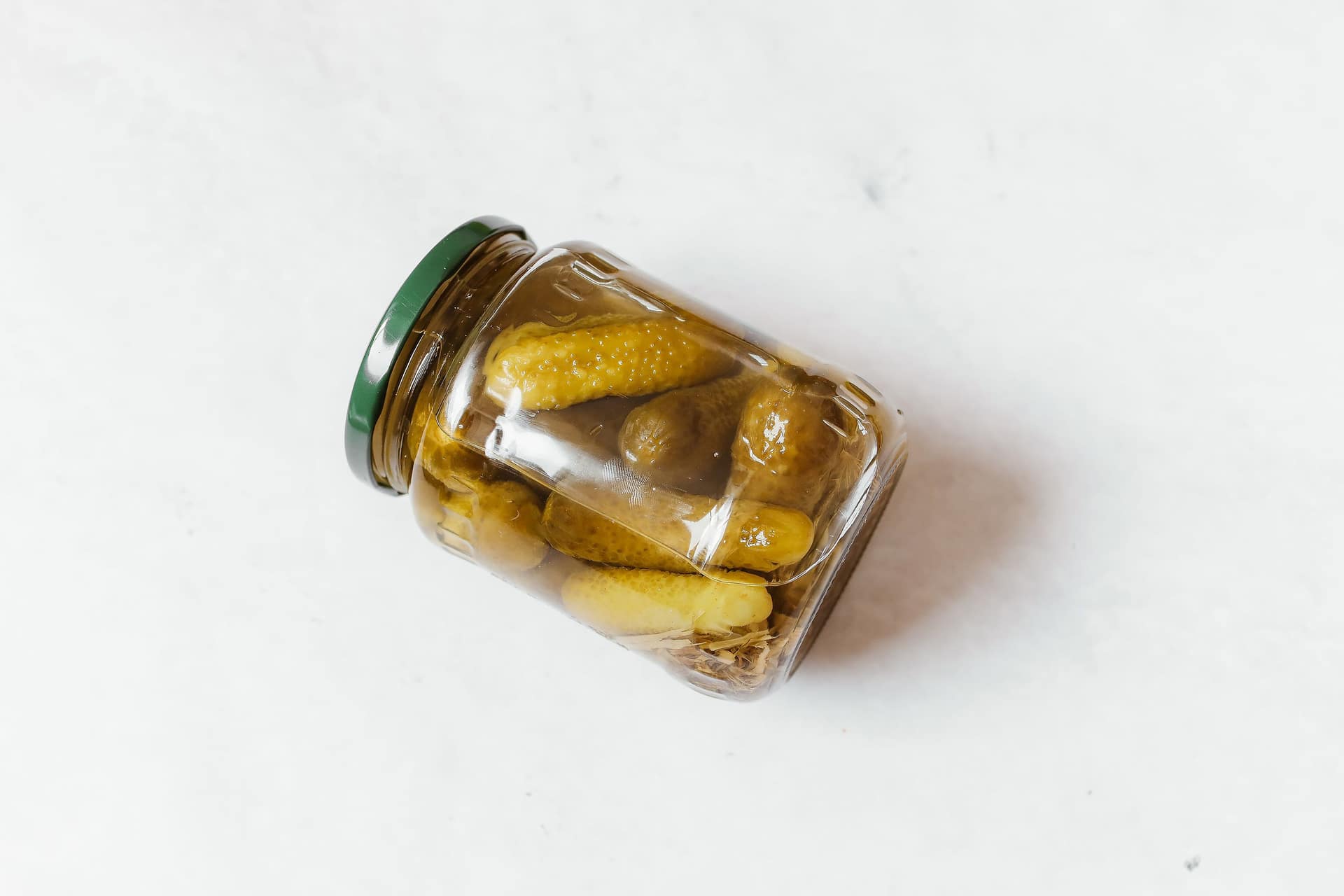
Soft pickles are the single most common disappointment in home canning, and they are a texture problem rather than a safety one. Calcium chloride — sold as Pickle Crisp — addresses the cause. Iowa State University Extension explains that it works by firming the natural pectin of the vegetable, at generally 1/8 teaspoon per pint and 1/4 teaspoon per quart, added to the jar before processing.
The reason it is a reasonable additive when most are not is chemical. Extension is explicit that because calcium chloride does not have the hydroxide component of lime, it does not change the pH of pickled food or pose a food safety risk. An additive that leaves the acidity alone does not disturb the thing a tested pickle recipe depends on.
The honest limits: it is a texture aid only, most recipes do not state its use, and Extension notes there are no established guidelines beyond pickles. Flavor is a separate purchase — see the best pickling spice. We would not extend it to other foods on our own initiative, and it cannot rescue produce that was already limp when it reached the jar.
How we screened these
The screen here is different from a gear roundup, because the question is not which brand is better made. It is whether adding the thing is defensible at all.
- Does a tested process require it? If yes, it is not optional and the dose is not negotiable.
- Does it change pH? Anything that moves acidity in a canned food is a safety question, not a preference.
- Is there published extension guidance on the dose? No guidance means we do not have a recommendation to make.
- Does it solve a problem you actually have? Most people's complaint is soft pickles, not a missing additive.
- Has current guidance moved past it? Several old standbys have been superseded, and old recipe cards do not know that.
Quick picks
Every pick below is screened against the National Center for Home Food Preservation’s published canner rules first. Tap a row for the full write-up.
| # | Product | Best for | Key spec | Price |
|---|---|---|---|---|
| 1 |  Ball Pickle Crisp Granules (calcium chloride)The one additive on this page that is purely about texture, and the one most likely to fix the complaint people actually have about home pickles. It is calcium chloride, it firms the vegetable's natural pectin, and Iowa State Extension is clear that it does not change the pH or pose a safety risk. | Pickles that go soft | 1/8 tsp per pint | |
| 2 | Ball Citric AcidNot optional, and that is the important thing about it. Every current NCHFP tomato process requires added acid, and citric acid is the version that does the job without pushing the flavor anywhere. A jar of it lasts several seasons and removes the annual question entirely. | Acidifying tomatoes | 1/2 tsp per quart | Check price on Amazon#ad we earn a commission · live price pending |
| 3 | Bottled lemon juice (for acidifying tomatoes)The acid most people already own, and a fully sanctioned one. The word that matters is bottled: bottled juice has a standardized acidity, and fresh lemons vary from fruit to fruit, which is why every tested tomato process names the bottled kind specifically. | Acid you already have | 2 Tbsp per quart | Check price on Amazon#ad we earn a commission · live price pending |
| 4 | Alum, and pickling lime as a shortcutSkipSkip alum for crispness, and skip pickling lime unless your tested recipe calls for it and you will follow the rinsing steps exactly. Calcium chloride does the same job without the hydroxide that makes lime a pH question, and Iowa State Extension says as much. | Nothing - use calcium chloride | Superseded by calcium chloride | Check price on Amazon#ad we earn a commission · live price pending |
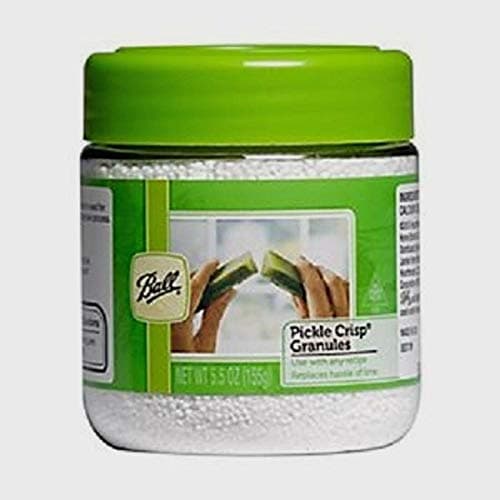
Ball Pickle Crisp Granules (calcium chloride)
The one additive on this page that is purely about texture, and the one most likely to fix the complaint people actually have about home pickles. It is calcium chloride, it firms the vegetable's natural pectin, and Iowa State Extension is clear that it does not change the pH or pose a safety risk.
Published specs
- What it is
- Calcium chloride
- What it does
- Iowa State Extension: it works by firming the natural pectin of the vegetable
- Dose
- Generally 1/8 teaspoon per pint and 1/4 teaspoon per quart
- Safety
- Does not have the hydroxide component of lime, so it does not change the pH of pickled food or pose a food safety risk
- Replaces
- Food-grade lime soaking, with less fuss
- Added
- To each jar before processing
What works
- It solves a real and common disappointment. Soft pickles are the single most-reported home canning letdown, and this addresses the cause rather than the recipe
- Because it does not shift pH, adding it does not invalidate the acidity a tested pickle recipe depends on — which is the reason most additives are a bad idea
- Far less work than the traditional pickling-lime soak, which needs repeated rinsing to get the lime back out
What to know first
- It is a texture aid and nothing more. It does not preserve, does not acidify, and does not extend a processing time
- Iowa State notes most recipes do not specifically state its use, and there are no established guidelines beyond pickles. Outside pickles you are on your own, and we would not
- It cannot rescue produce that was already limp. Firming works on a fresh, crisp cucumber, not on one that sat in a warm car
Specs from Iowa State University Extension, Calcium Chloride for Pickling Crispness. We have not handled this product — see how we pick.
Ball Citric Acid
Not optional, and that is the important thing about it. Every current NCHFP tomato process requires added acid, and citric acid is the version that does the job without pushing the flavor anywhere. A jar of it lasts several seasons and removes the annual question entirely.
Published specs
- NCHFP dose for tomatoes
- 1/4 teaspoon per pint, 1/2 teaspoon per quart
- Why
- NCHFP: to ensure safe acidity levels in whole, crushed, or juiced tomatoes, add the specified amount of acid
- The rule
- NCHFP: do not leave acid out
- Flavor
- Neutral compared with the vinegar alternative
- Alternatives
- Bottled lemon juice, or 5% vinegar
What works
- Smaller dose by volume than bottled lemon juice, so it changes the texture and taste of a tomato pack less than the other two acid options
- Shelf-stable powder. It does not go off between harvests the way an opened bottle of juice effectively does
- It is the cheapest insurance on this whole site — the acid is what makes a tomato pack a water bath food at all
What to know first
- It is measured small and the dose matters, so this is a level-teaspoon job rather than an eyeballed one
- It does not firm, preserve or season. It is doing one chemical job
- Brand labels sometimes state a different dose than the NCHFP figure. Follow the amount in the tested recipe you are using, and if they disagree, the tested recipe wins
Specs from NCHFP, Canning Tomatoes and Tomato Products. We have not handled this product — see how we pick.
Bottled lemon juice (for acidifying tomatoes)
The acid most people already own, and a fully sanctioned one. The word that matters is bottled: bottled juice has a standardized acidity, and fresh lemons vary from fruit to fruit, which is why every tested tomato process names the bottled kind specifically.
Published specs
- NCHFP dose for tomatoes
- 1 Tablespoon per pint, 2 Tablespoons per quart
- Must be
- Bottled, for standardized acidity
- The rule
- NCHFP: do not leave acid out
- Vinegar alternative
- NCHFP lists 2 Tablespoons of 5% vinegar per pint and 4 per quart, and notes vinegar may cause undesirable flavor changes
What works
- Sanctioned, cheap and already in most refrigerators, so nothing stands between you and a safe tomato pack today
- Easier to measure accurately than a fraction of a teaspoon of powder, which matters if you are canning tired at the end of a long day
- Two tablespoons per quart is a dose you can remember without looking it up, which is worth something during a heavy tomato week
What to know first
- Adds more liquid and more lemon flavor to the jar than citric acid does, which is noticeable in a plain tomato pack
- It must be bottled. Fresh-squeezed juice varies in acidity and is not what the tested processes were validated with
- An opened bottle is a perishable, so the jar of citric acid is the more reliable thing to have on the shelf in September
Specs from NCHFP, Canning Tomatoes and Tomato Products. We have not handled this product — see how we pick.
Alum, and pickling lime as a shortcut
Skip alum for crispness, and skip pickling lime unless your tested recipe calls for it and you will follow the rinsing steps exactly. Calcium chloride does the same job without the hydroxide that makes lime a pH question, and Iowa State Extension says as much.
Published specs
- The problem with lime
- It contains a hydroxide component, which is why calcium chloride is the lower-risk substitute
- Iowa State Extension
- Calcium chloride may be used in place of food-grade lime to firm pickles, and it does so with less fuss
- Alum
- Not a firming agent the current guidance leans on
- The alternative
- Calcium chloride, 1/8 tsp per pint
What works
- There is no upside worth the extra steps. This entry exists so you recognize the older advice when you meet it in a 1970s recipe card
What to know first
- Lime soaking requires thorough repeated rinsing to remove the excess, and skipping that is the failure mode — it is a pH question, not a texture one
- Alum contributes little crispness and can leave an off taste, which is why it has largely dropped out of current extension guidance
- Every extra additive is another chance to deviate from the recipe that was actually tested. Calcium chloride is the one that does not shift the chemistry
Specs from Iowa State University Extension, Calcium Chloride for Pickling Crispness. We have not handled this product — see how we pick.
Obsolete: lime and alum
Pickling lime and alum both show up in older recipe collections as the way to get crisp pickles. Neither is what current guidance reaches for. Iowa State Extension puts the comparison plainly: calcium chloride may be used in place of food-grade lime to firm pickles, and it does so with less fuss.
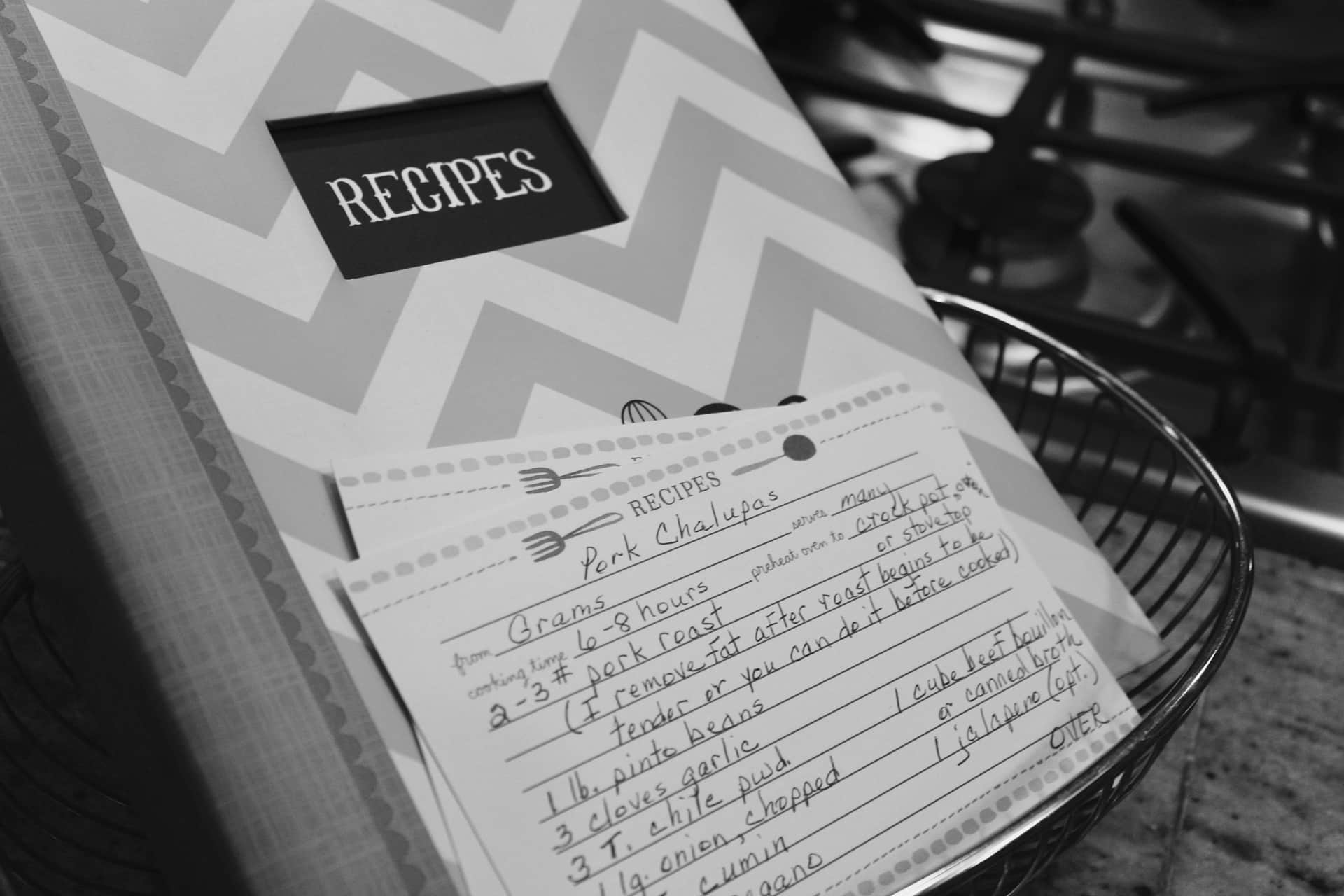
The fuss matters. Lime contains a hydroxide component, so excess lime has to be removed by thorough repeated rinsing — and skipping that rinsing turns a texture step into an acidity problem. Alum contributes little crispness and can leave an off taste, which is why it has quietly dropped out of the guidance. If your grandmother's card calls for either, calcium chloride is the substitution to make.
What about salt?
Canning salt is a slightly different case, because it is usually in the recipe rather than added to it. The short version is that in most water bath recipes salt is for flavor and ordinary salt works, while in fermented pickles it is doing preservation work and the type and amount matter. That distinction has its own page: canning salt.
Pectin is an ingredient, not an additive
Pectin gets grouped with additives and it does not belong here, because it is not something you add to a finished recipe — it is a structural ingredient the recipe is built around. Jam recipes come in two families: added-pectin recipes, which use less fruit, less cooking time and more sugar, and no-added-pectin recipes, which cook the fruit down until its own pectin sets it.
The important part for safety is that you cannot move between those families freely. Adding pectin to a long-cook recipe, or leaving it out of a recipe written for it, changes the sugar-to-fruit ratio and the finished consistency, and consistency affects heat penetration in the jar. Pick a tested recipe from one family and follow it as written. What counts as tested is in how to find safe canning recipes, and which box of pectin that recipe means is in the best pectin for jam and jelly.
Anti-browning products
Ascorbic acid products, sold for keeping cut apples, pears and peaches from going brown, are the other thing people find in this aisle. They are doing a cosmetic job, and they are the least consequential product on this page in both directions: they will not make anything unsafe, and they will not make anything safe.
Two things worth knowing. First, they are not a substitute for the acid a tomato process requires — different job, different chemistry, and the amounts are nothing alike. Second, a plain ascorbic acid or citric acid solution does the same thing as a branded blend, and a saltwater or lemon-water holding bath does most of it for free. Buy it if brown fruit bothers you; skip it without a second thought otherwise.
The rule that covers all of this
If a tested recipe names an additive and an amount, use exactly that additive and exactly that amount. If it does not name one, the default answer is not to add anything, because the recipe was validated without it. The only exception on this page is calcium chloride, and only because extension guidance is explicit that it does not shift pH — which is precisely why the other candidates do not get the same latitude.
Vinegar strength counts as an additive question
Vinegar is the additive people are least likely to check and most likely to get wrong, because it looks like a grocery item rather than a preservation input. Which bottles qualify is in the best vinegar for pickling. In a pickle recipe the vinegar is doing the acidification, which makes its strength part of the safety calculation rather than a matter of taste.
Tested recipes are written for 5% acidity vinegar, and that figure is printed on the label. The trap is that some specialty, artisanal and imported vinegars are weaker, and a few are stronger — and a weaker vinegar in a tested pickle recipe produces a jar less acidic than the recipe assumed. Read the percentage rather than the name, and do not dilute vinegar beyond what the recipe specifies or substitute a lower-acidity bottle because you preferred the flavor.
The same logic explains why vinegar appears in the tomato table above at all: the NCHFP lists 2 tablespoons of 5% vinegar per pint and 4 per quart as an acid option, while noting it may cause undesirable flavor changes. It works, and it is the one most people already own. It is third on the list because it is the one you will taste.
The decision, in one paragraph
Buy citric acid and keep it on the shelf, because tomatoes require acid and powder does not spoil between seasons. Buy calcium chloride if your pickles have been soft and you want them crisp, and use the extension dose rather than a generous scoop. Skip everything else unless the tested recipe in front of you asks for it by name — and when a recipe and a label disagree about a dose, the tested recipe wins. How to find safe canning recipes covers what counts as tested.
Next stepHow to tell a tested recipe from a blog postCommon questions
Is Pickle Crisp necessary?
How much Pickle Crisp per jar?
Do I have to add acid to tomatoes?
Can I use fresh lemon juice instead of bottled?
Is pickling lime safe?
Does Pickle Crisp change how long I process the jars?
Do you earn a commission on these?
Sources
- NCHFP — Canning Tomatoes and Tomato Products
- Iowa State University Extension — Calcium Chloride for Pickling Crispness
- National Center for Home Food Preservation
Product specifications are taken from each manufacturer’s own published page, cited on the product. We have not handled these products — how we pick.