What foods need to be pressure canned?
Every low-acid food, without exception, and the handful that catch people out because they look like they should be fine.
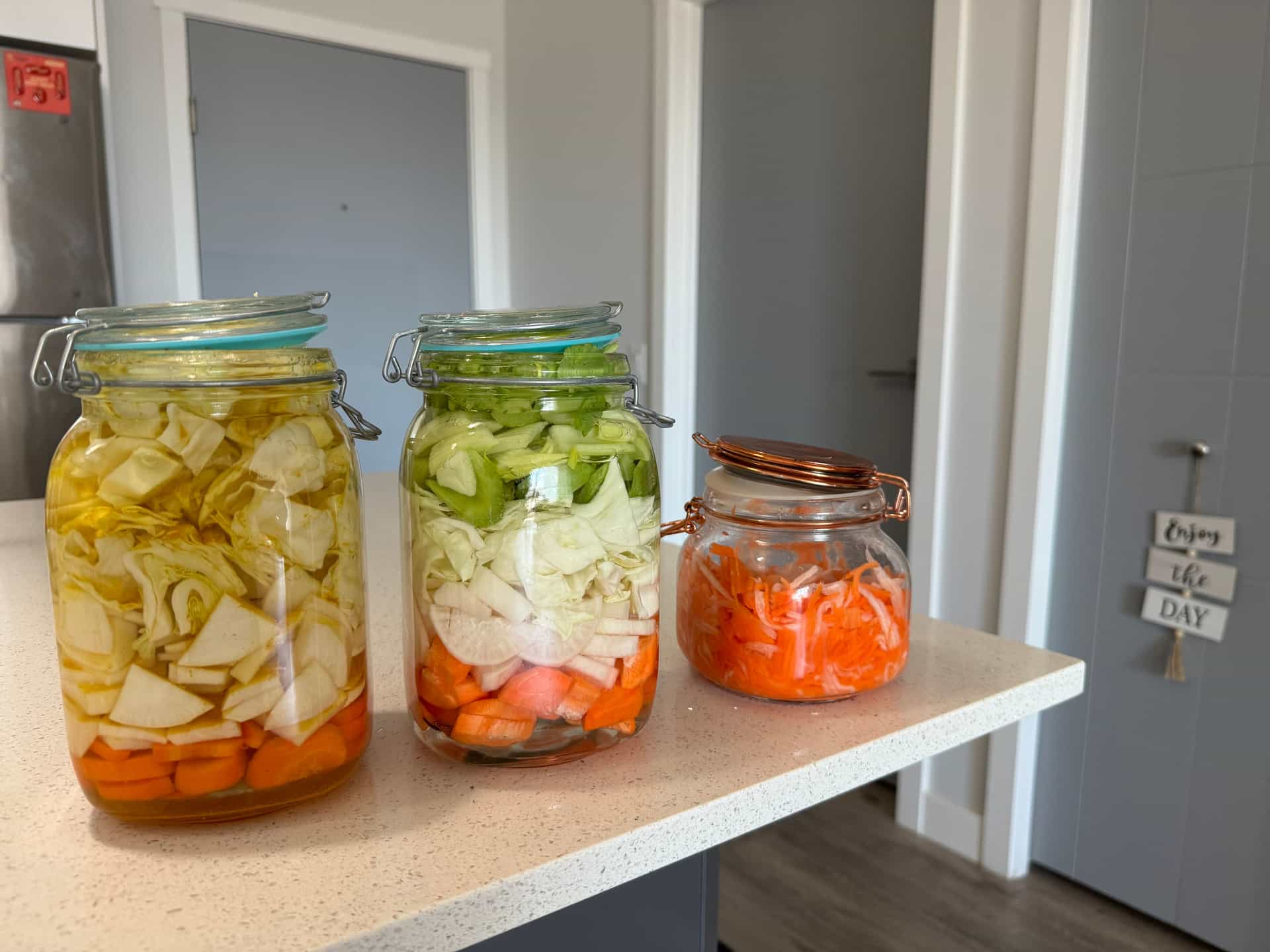
All low-acid foods — those above pH 4.6 — must be pressure canned: vegetables such as green beans, corn, carrots, potatoes, beets, peas and asparagus; all meat, poultry, fish and seafood; stocks, broths, soups and stews; dried beans; and plain tomatoes with no added acid. Which of these justify the cost of a pressure canner is covered in best foods for canning.
The list
Vegetables
- Green beans and all snap beans
- Corn, whole kernel and cream style
- Carrots, potatoes, beets, turnips and parsnips
- Peas, both green and field
- Asparagus
- Winter squash and pumpkin — cubed only, never pureed
- Greens: spinach, kale, chard, collards
- Mushrooms
- Okra, plain packed
Protein
- Beef, pork, lamb, venison and all other red meat — see best pressure canner for meat
- Chicken, turkey and other poultry, with or without bones
- Fish and seafood
- Ground meat
Liquids and mixed dishes
- Stock and broth of every kind
- Soups and stews from tested recipes — no thickeners, no dairy, no pasta or rice
- Chili and bean dishes
- Dried beans, soaked and cooked per a tested recipe
- Plain tomatoes and tomato sauce with no added acid
The ones that catch people out
| Food | Why people assume otherwise | Reality |
|---|---|---|
| Tomatoes | They taste acidic | Modern varieties hover near pH 4.6. Water bath only with added bottled lemon juice or citric acid; without it, pressure can |
| Green beans | Family recipes and a lot of the internet | Low-acid. Pressure canner only. Pickled dilly beans are a different food |
| Salsa | It contains vinegar and tomatoes | Safe only from a tested canning recipe — extra onion or pepper changes the ratio the safety depends on |
| Soup with vegetables | It gets boiled anyway | Low-acid, pressure canner, tested recipe, and no thickeners |
| Pumpkin puree | Canned pumpkin exists commercially | Not recommended at home in any method. Density blocks heat penetration. Can it cubed, pressure canned |
| Bone broth | It simmers for hours | Low-acid. Simmering is not processing. Pressure canner |
What cannot be safely home canned at all
A short and important list. These are not "pressure can them instead" — there is no tested home process for them, and the freezer is the answer.
- Dairy — milk, cream, cheese, butter
- Eggs, in any form
- Pureed pumpkin or winter squash
- Thickened or floured sauces and gravies — flour and cornstarch block heat penetration
- Pasta, rice and grains in a canned dish — they absorb liquid and change density unpredictably
- Pesto and other oil-heavy mixtures
- Nut butters
How the pressure canner actually solves it
Sealing the pot traps steam, which raises the pressure, which raises the boiling point. At 10 to 11 psi the temperature inside reaches about 240°F — hot enough to destroy the spores themselves rather than merely preventing their growth. That is the whole mechanism, and it is set out in more detail in botulism and home canning and in SDSU Extension's comparison of the two methods.
If you do not own one yet
Then this season is a high-acid season, and that is a completely reasonable outcome. Jam, pickles, fruit and acidified tomatoes fill a lot of shelves. When you are ready, best pressure canners is the roundup and what you need for pressure canning is the full kit list.
The gear that solves this
Everything on the list above needs a pressure canner. These are the pages that get you to the right one.
Common questions
Do all vegetables need pressure canning?
Do tomatoes need to be pressure canned?
Can I pressure can soup with noodles in it?
Is it safe to can bone broth?
Why can I not can pumpkin puree?
Sources
- NCHFP — Recommended Canners
- National Center for Home Food Preservation
- SDSU Extension — Water Bathing vs Pressure Canning
Product specifications are taken from each manufacturer’s own published page, cited on the product. We have not handled these products — how we pick.